Feeling a bit overwhelmed trying to get your work noticed in a crowded market? You're not alone. Whether you're a designer, writer, photographer, or any professional with skills to showcase, the question often boils down to: "How do I effectively present what I can do?" The answer is clear: an online portfolio. And the even better news? You can learn how to make a portfolio website for free, giving you a powerful edge without breaking the bank.
Forget the days of physical folders or static resumes that can't truly capture your creativity and expertise. We're in a digital age, and your professional showcase needs to be just as dynamic. This guide will walk you through exactly how to build a professional, impactful online portfolio without any cost. Get ready to turn your talent into visible opportunities.
An online portfolio isn't just a convenience, it's a necessity. It’s your personal gallery, accessible to anyone, anywhere, at any time. In a world where first impressions are often made online, relying solely on traditional methods of presenting your work simply isn't enough. People want to see your capabilities, not just read about them.
This digital platform offers tangible proof of your abilities. You can visually display projects, embed multimedia like videos and animations, share detailed case studies, and even integrate testimonials from satisfied clients or colleagues. This comprehensive and interactive view provides a far richer understanding of your skills and accomplishments than any traditional resume could. It's your prime opportunity to stand out from the competition, make a memorable impression, and effectively communicate your unique value.
The drive to showcase one's work is as old as craftsmanship itself. Imagine ancient artisans proudly displaying their wares in bustling marketplaces or Renaissance masters exhibiting their paintings in studios to attract commissions from wealthy patrons. Architects would meticulously compile their drawings and models, and skilled craftspeople would present their finest creations. These were the original "portfolios," vital for securing work and building reputations.
As societies evolved, so did the methods. The 20th century standardized the physical portfolio: heavy, bound books filled with carefully selected samples, tear sheets, or high-quality photographs. Creative professionals would carry these weighty cases to interviews, hoping their curated content would impress. The advent of personal computers marked a significant step forward, allowing for digital portfolios on floppy disks or CDs, though these were still somewhat clunky and limited in reach.
The true revolution arrived with the internet. Suddenly, geographical barriers vanished, and static presentations transformed into interactive, globally accessible experiences. Learning how to make a portfolio website for free has profoundly democratized professional self-promotion, empowering individuals from diverse backgrounds to showcase their talents on a global stage. This seismic shift mirrors the way our understanding of important cultural landmarks, such as why every professional needs a digital portfolio in 2025, has been transformed by digital access and virtual exploration.
In today's fast-paced job market and burgeoning freelance economy, an online portfolio is more than just beneficial; it's absolutely essential. Employers, hiring managers, and prospective clients invariably conduct preliminary research online. Without a professional digital presence, you risk being overlooked before you even get a chance to make contact. Your online portfolio serves as a dynamic, living resume, constantly updated with your latest achievements, evolving skills, and fresh projects.
Beyond securing jobs or freelance gigs, it's about actively building and defining your personal brand. An online portfolio provides you with complete control over your professional narrative. It’s your dedicated space to authentically showcase your personality, articulate your core values, and demonstrate your unique methodology and creative approach. It’s your opportunity to craft a compelling first impression, establish immediate credibility, and foster trust, often before any direct communication takes place. For further insights on optimizing your professional presentation, you might find valuable tips on the Uni-B Portfolio Building website.
While commonly associated with creative industries like graphic design and photography, an online portfolio offers significant advantages to professionals in virtually every field.
A robust online portfolio powerfully demonstrates initiative, technological savviness, and a genuine, passionate commitment to your chosen profession. It communicates that you are proactive, dedicated, and actively engaged in your career trajectory. Furthermore, it acts as a centralized hub for all your professional activities, making it incredibly simple to share across various platforms: from social media profiles and email signatures to networking events and online job applications. This effectively streamlines the entire process of presenting your professional identity to the world.
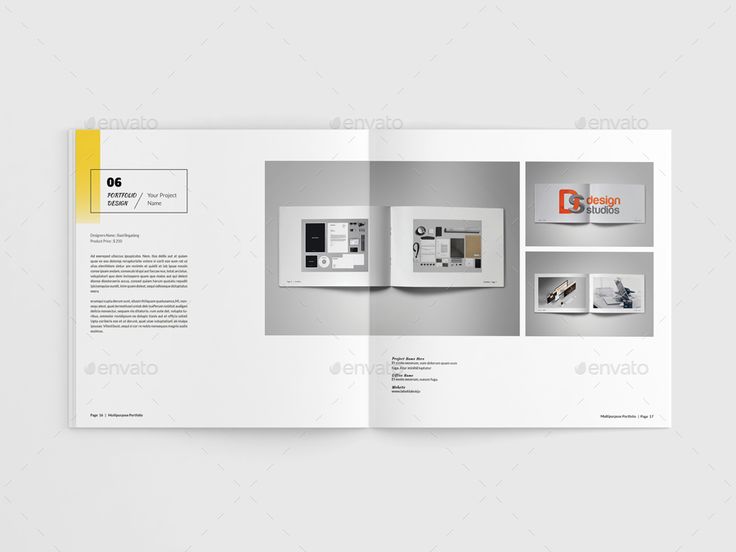
Learning how to make a portfolio website for free is more accessible than ever, thanks to numerous platforms offering powerful features without any subscription costs. This ensures that everyone, regardless of their budget, can create a professional online presence. Here’s a detailed, practical guide to help you build your compelling digital portfolio:
Behance: An excellent choice for graphic designers, photographers, illustrators, and other visual artists. As an Adobe product, it offers seamless integration with other creative software and provides access to a vast, active global community for enhanced visibility and feedback.
WordPress.com: A highly versatile option suitable for writers, bloggers, artists, and virtually anyone who needs a customizable website. While premium plans offer advanced features, the free version provides ample functionality to establish a solid, professional portfolio website or blog.
Clippings.me: Tailored specifically for writers, this platform allows for quick uploading of articles, PDFs, and links to your published work, organizing them into a clean, professional portfolio in minutes.
Journo Portfolio: Another fantastic choice for journalists and writers, providing a minimalist yet highly effective layout to showcase articles, press releases, and diverse written content.
Google Sites: A surprisingly powerful and remarkably user-friendly tool, especially advantageous if you’re already integrated into the Google ecosystem. It features intuitive drag-and-drop functionality and integrates seamlessly with Google Drive for efficient content storage.
Dribbble: While primarily a community for designers to share "shots" (small visual updates of their work), it can also serve as an effective mini-portfolio and a strategic avenue to gain visibility within the design industry and connect with peers.
Strategically incorporate relevant keywords naturally within your project descriptions, your "About Me" section, and your page titles. Consider the terms prospective clients or employers would use when searching for someone with your specific skills.
Ensure all images have descriptive alt text.
Prioritize a reasonably fast loading speed for your site, as page speed is a recognized ranking factor. These efforts help your portfolio rank higher in search results, increasing your chances of being discovered. According to National Geographic, SEO helps make content discoverable and relevant to online searchers.
Integrate Social Media and Contact Information: Make it exceptionally simple for interested parties to connect with you. Include direct links to your professional social media profiles (e.g., LinkedIn, professional Instagram, Twitter) and prominently display clear contact information, such as an email address or an easy-to-use contact form.
Maintain and Update Regularly: Your portfolio should be viewed as a dynamic, living document, not a static archive. As you acquire new skills, successfully complete new projects, and evolve professionally, consistently update your website. Remove outdated or less impactful work and integrate fresh, relevant content. This practice demonstrates continuous growth, active engagement within your industry, and ensures your skills remain current and appealing. Regular maintenance also helps keep your site dynamic and engaging for returning visitors.
Learning how to make a portfolio website for free is a highly strategic and empowering decision for anyone aiming to advance their career or expand their freelance opportunities. It represents an invaluable investment in your professional future that requires only your time and dedicated effort, promising substantial returns in terms of increased visibility, enhanced credibility, and significant professional growth.
A well-crafted online portfolio website stands as an indispensable asset in today's demanding professional landscape. It functions as your digital handshake, your visual resume, and your personal brand statement, all cohesively integrated into one powerful platform. By skillfully leveraging the abundance of excellent free platforms available, you possess the ability to construct a professional, engaging showcase for your work without any financial expenditure. This accessibility profoundly democratizes opportunity, ensuring that talent can be recognized and celebrated irrespective of budgetary constraints. Begin your journey learning how to make a portfolio website for free today, and unlock a world teeming with new connections, exciting projects, and unparalleled career opportunities.
