You’ve probably heard the advice: “Get a good LinkedIn profile,” or “Make sure your resume is perfect.” That’s all fine, but let’s be honest. In a world where everyone has a professional social media account, blending in is the easiest thing to do. If you want to stand out, attract high-value clients, and truly own your professional story, you need something more.
This isn’t just a digital folder for your best work. It is your 24/7 personal PR machine, your professional storefront, and the single best way to prove, not just tell, what you can achieve. Investing in a high-quality site is no longer optional; it’s the definitive signal of a serious professional in any field.
To appreciate the power of a modern portfolio website, it helps to look at its storied history. The concept of a portfolio is far from new.
The word "portfolio" itself has Italian roots, derived from portafoglio, which literally means "to carry loose sheets of paper" (porta meaning to carry, and foglio meaning sheet). Its origins trace back to Renaissance Italy. This was a time when artists, architects, and master craftsmen like Leonardo da Vinci needed a way to showcase their skills to wealthy patrons.
These early portfolios were physical collections: carefully curated sketches, blueprints, and paintings bound in a leather case. Their purpose was simple: to present the artist’s best work to a specific, influential audience and secure a commission.
For centuries, the portfolio remained a physical object, shifting to large, cumbersome binders used by graphic designers, photographers, and journalists. In the 20th century, a great portfolio was a meticulously organized, heavy piece of luggage, often containing costly prints and bound mock-ups. It was hard to update, difficult to share widely, and was always presented in a highly controlled, in-person setting.
The shift to the digital age began with the rise of the computer and the internet. Early "e-portfolios" in the late 1990s and early 2000s were often simple PDFs or collections of files shared on local networks. As technology advanced, the portfolio moved to the web, transforming from a static collection into a dynamic, interactive experience. This transition was revolutionary because it democratized access, allowing a freelancer in a small town to present their work with the same polish as a large city agency. According to an article from the University of Cambridge, the digital portfolio, or e-portfolio, became a mainstream tool in higher education and professional development around the 2000s, underlining its establishment as a standard professional requirement.
In the contemporary professional landscape, your website is your primary professional asset. It moves beyond simply displaying work and takes on several crucial, modern functions.
Anyone can claim skills on a resume or LinkedIn. A well-designed portfolio website offers verifiable proof. It functions as social proof and a mark of professionalism.
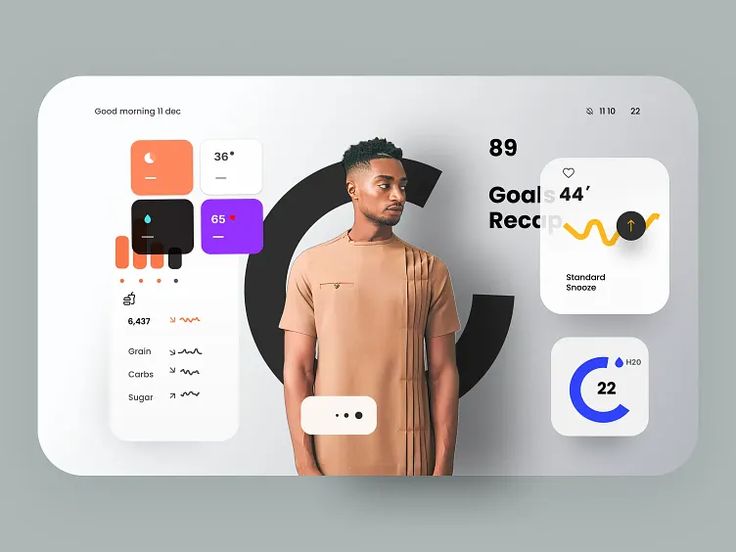
On third-party platforms, you are restricted by their templates and rules. Your own site gives you complete freedom to express your unique professional brand.
Unlike the old physical portfolio, which required an appointment, your online hub is always open for business.
A successful portfolio website is a blend of strong content and excellent user experience (UX). Follow these steps to maximize your impact:
The biggest mistake is including everything. Visitors are busy; they want to see your best, most relevant work immediately.
Don’t just upload images. Turn each project into a brief, compelling story.
Your site's usability is a reflection of your professional standards.
A professional site needs more than just a gallery. These are essential elements for success:
