
Creating a website for portfolio purposes is one of the smartest moves any creative or professional can make today. Whether you are a designer, photographer, writer, or developer, your portfolio is more than a showcase of work. It is your digital handshake, your personal brand, and your gateway to opportunities.
If you have ever wondered how professionals stand out in such a competitive online space, the answer often lies in the way they structure their portfolio website. By exploring history, trends, and modern design strategies, we can better understand why a website for portfolio is not just useful but essential.
The word “portfolio” comes from the Latin "portare" (to carry) and "foglio" (sheet of paper). Historically, portfolios were physical collections of drawings, sketches, or documents that artists, architects, and scholars carried with them to showcase their craft.
During the Renaissance, portfolios became a hallmark of credibility. Painters and architects used them to win commissions from patrons. By the 20th century, they were essential in industries like advertising and design, with printed books and binders used in interviews.
With the birth of the internet, the website for portfolio became a digital evolution of this centuries-old tradition. Unlike physical portfolios, these new websites allowed professionals to reach audiences worldwide. As Britannica explains, the internet revolutionized communication and access to information, making portfolios more accessible and influential than ever.
In 2025, having a portfolio website is no longer optional. It is the standard for professionals across industries. Employers, clients, and collaborators often Google your name before meeting you, and what they find can define the impression they form.
Here is why it matters:
According to this Uni-B article on why every professional needs a digital portfolio, a portfolio is more than a collection of work, it is your career narrative in action.
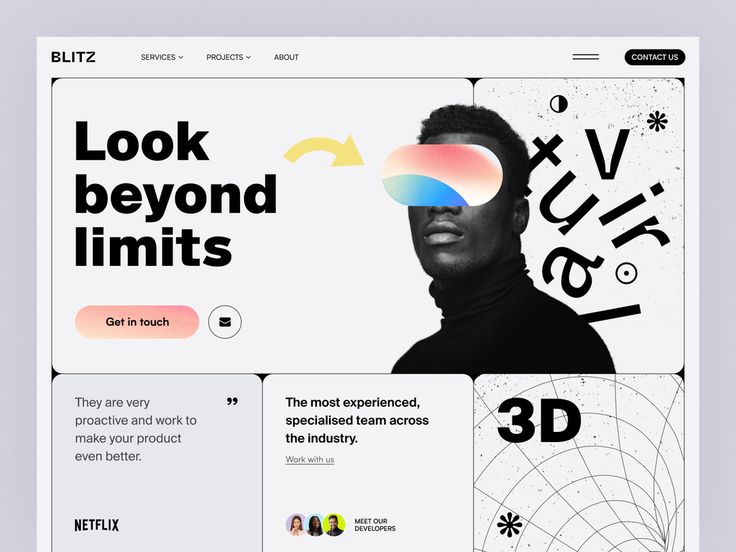
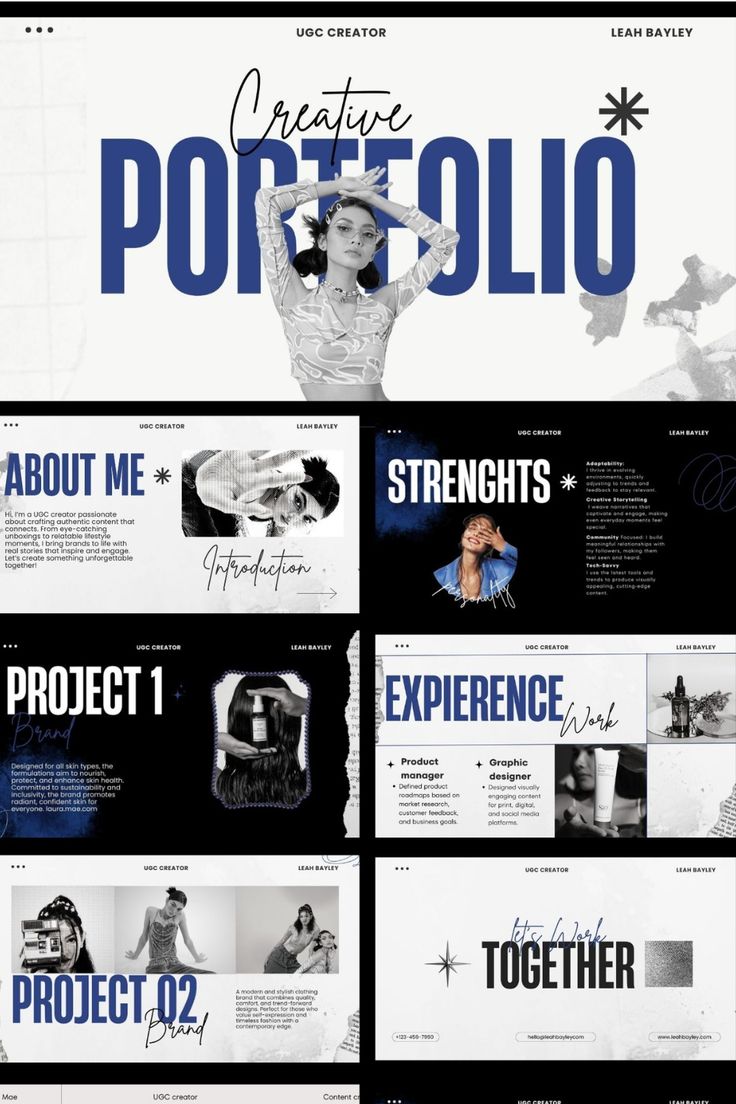
When you look at the most impactful websites for portfolio use, certain features stand out. They create structure, storytelling, and a seamless user experience.
As Uni-B’s portfolio website hub shows, these elements combine to form a professional narrative that builds trust.
Different professions use portfolios differently. Let’s break down examples across industries.
Designers
Focus on visuals and layout.
Interactive scroll features and bold color schemes.
Show projects in mockups to bring designs to life.
Developers
Minimalist design with technical depth.
Code snippets or GitHub links for credibility.
Interactive demos to showcase skill.
Writers
Simple, text-driven layouts.
Featured articles, blogs, or case studies.
Clear focus on storytelling skills.
Photographers
Full-screen galleries and slideshows.
High-resolution images with minimal distractions.
Black or white backgrounds to highlight visuals.
Educators and Coaches
Organized courses, materials, or workshops.
Testimonials and outcomes from students.
A personal blog to reinforce expertise.
Once you are inspired, the next step is building your own. Here are practical tips:
Starting from scratch is not necessary. Templates save time and provide structure.
Feature only your best work, not every single project.
Context, process, and outcomes matter as much as visuals.
Colors, fonts, and tone should reflect your identity.
Avoid clutter. Focus on clarity and flow.
Most users will visit from their phone. Ensure your site adapts.
Outdated work can harm credibility. Keep it fresh and current.
For more practical advice, see Uni-B’s article on how to build a winning online portfolio.
As technology evolves, so will portfolio design. AI-powered personalization, 3D design, and immersive experiences are already shaping how professionals present themselves online. But no matter the technology, the essence remains unchanged: a website for portfolio is about showcasing your story, your skills, and your unique voice.
The professionals who invest in their digital presence today will be the ones who stand out tomorrow.