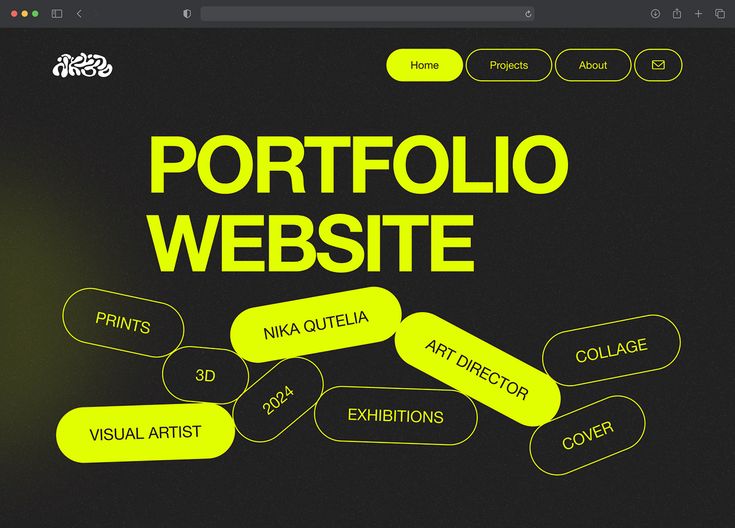
In the competitive world of visual communication, seeing is believing. You might have a brilliant eye for color, master the latest software, and possess a deep understanding of typography, but none of that matters if potential clients or employers can't see it instantly and professionally. That is the core purpose of your portfolio website graphic design. It is your single most important professional asset, acting as your 24/7 digital representative and a curated exhibition of your best creative work. If a picture is worth a thousand words, a great portfolio is worth a thousand interviews.
From Leather Folios to Digital Galleries: The History of the Graphic Design Portfolio
The concept of a graphic design portfolio, a collection of professional work used to secure commissions, has deep roots. Long before "graphic designer" was a common title, artists, engravers, and commercial illustrators relied on physical collections of samples. These were often meticulously crafted and stored in leather-bound folios, hence the term "portfolio."
Throughout the 20th century, particularly after the rise of commercial advertising and corporate branding, the designer's portfolio became standardized. It was a physical case filled with printed proofs, tear sheets from magazines, and mounted examples of logos and packaging. This format required significant effort and expense to update and transport.
The shift to the digital age, accelerated by desktop publishing in the 1980s and the internet in the 1990s, completely revolutionized presentation. Designers could finally share high-resolution images instantly and globally. The modern portfolio website graphic design allows for interactivity, process documentation, and rapid updates, making it the most dynamic and effective tool for designers to showcase their creativity and technical skill.
Why Your Portfolio Website Graphic Design is Crucial in Today’s Market
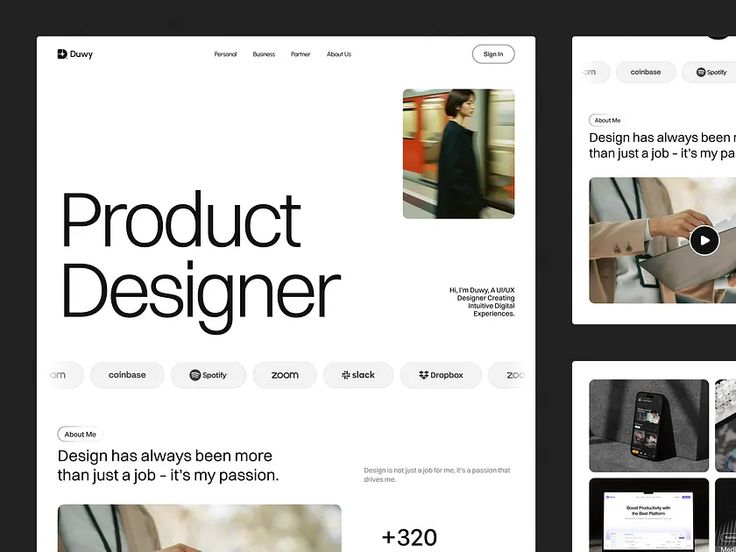
In a world saturated with digital content, every designer needs to cut through the noise. Your portfolio website graphic design is the tool that makes that happen, elevating your work beyond mere files to professional assets.
- Immediate Validation: Recruiters and art directors spend seconds reviewing initial submissions. A dedicated website provides instant, high-quality visual access to your work, quickly validating your skills.
- Demonstrates UX/UI Skill: As a graphic designer, your website is your first and best design project. The way your site is structured, navigated, and presented demonstrates your understanding of user experience and visual hierarchy, which is essential for any modern design role.
- Tells the Project Story: Unlike a simple image gallery, a custom portfolio allows you to create detailed case studies. You can explain the client brief, your conceptual approach, the technical challenges, and the measurable results. This is storytelling that shows strategic thinking, not just execution.
- Establishes Branding: Your site's color palette, typography, and layout communicate your personal design style. It’s an opportunity to brand yourself as a minimalist, a vibrant maximalist, a corporate specialist, or anything in between.
- Attracts the Right Clients: A focused, professional portfolio helps you target specific niches. If you want to design logos for tech startups, your portfolio should clearly feature that kind of work, ensuring you attract relevant, high-value opportunities.
For designers looking for comprehensive guidance, understanding how to build a winning online portfolio that gets you noticed starts with designing the perfect showcase.
The Designer’s Checklist: Practical Tips for a Flawless Site
Creating a high-converting portfolio website graphic design requires balancing your artistic flair with professional rigor. Treat the site as your most important client project.
Strategic Project Selection and Presentation
Curate Ruthlessly: Only feature your absolute best 5 to 7 projects. A small collection of perfect work is always better than a massive dump of mediocre samples.
- Show Variety (if applicable): If you are a versatile designer, select projects that demonstrate a range of skills: branding, print layout, web design, and illustration.
- Focus on Case Studies: Every featured project should be a case study, including:
- The Client/Goal: What problem were you solving?
- The Process: Sketches, mood boards, iterations, and rejected concepts.
- The Final Solution: High-resolution images or live links.
- The Impact: What were the results or achievements?
Technical Details That Matter
As a visual professional, the technical quality of your site is critical.
- Image Optimization: Use high-quality images, but compress them effectively for the web. Slow-loading images are a career killer.
- Consistent Typography: Choose 1-2 fonts that represent your style and use them consistently across the site for visual harmony and readability.
- Mobile-First Design: Ensure your entire portfolio is fully responsive. Many reviewers check portfolios on their phones and tablets first.
Essential Professional Components
Don't let stunning visuals overshadow professional necessity.
- A Clear "About Me": Humanize yourself with a short bio (3-4 sentences) that outlines your design philosophy and background. Include a friendly, professional photo.
- Skill Tags and Tools: Clearly list your core competencies (e.g., Branding, Illustration, Packaging) and the software you master (e.g., Adobe Creative Suite, Figma, Sketch).
- Call to Action: Make your contact information prominent. A contact button in the navigation or a simple form in the footer ensures immediate access.
If you’re unsure where to start with the technical setup, explore resources on online portfolio websites free: how to build yours today to get your foundation established quickly.
The Value of Process and Personality
The truly successful portfolio website graphic design showcases not just the finished product, but the designer behind it. Your process and personality are your unique selling points.
- Documentation is Design: Detailed documentation of your thought process proves you are a strategic thinker, not just someone who makes things look pretty. This skill is increasingly vital in collaborative environments.
- Client Testimonials: Include testimonials or quotes from satisfied clients. As noted by sources like the American Institute of Graphic Arts (AIGA), professional credibility is hugely boosted by peer and client endorsement.
- Creative Blog/Lab: Consider adding a blog where you share your personal projects, design inspirations, or even critiques of current industry trends. This demonstrates continuous learning and passion.
By focusing on these elements, your portfolio site becomes a powerful, strategic instrument that clearly communicates your value and makes you the obvious choice for your next creative opportunity.