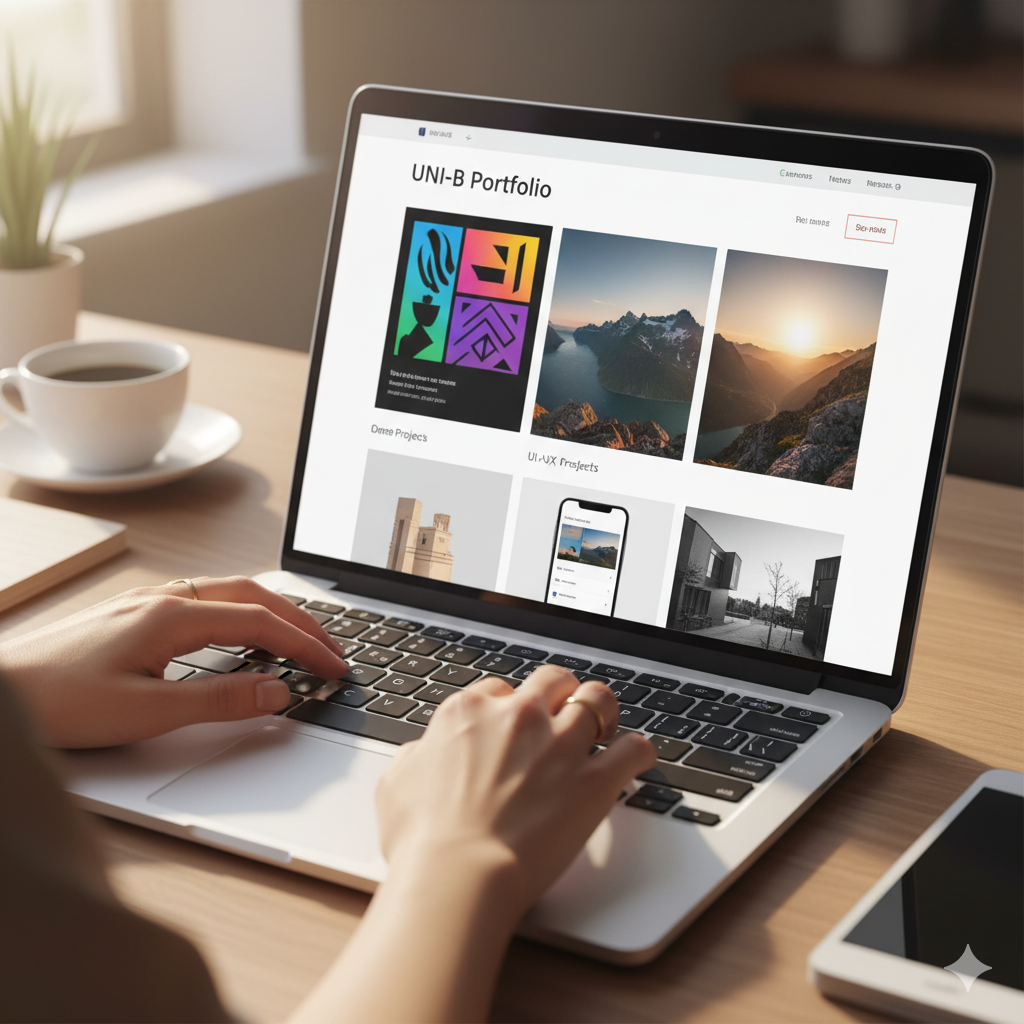

In today’s world, first impressions are no longer limited to face-to-face meetings or printed résumés. Employers, clients, and collaborators often look you up online before making a decision. That is why having a personal portfolio is no longer optional, it is essential. With the right portfolio website maker, you can transform your achievements into a digital showcase that tells your story 24/7.
But where did portfolios even begin, and why has the shift from paper to digital changed the game so dramatically? Let’s explore the journey, the relevance, and the practical steps for building one.
The word “portfolio” comes from the Latin portare (to carry) and foglio (leaf or sheet). Originally, it referred to a physical folder of drawings or papers carried by artists and architects. During the Renaissance, creatives like Michelangelo and Leonardo da Vinci often shared sketches to prove their skills to patrons.
As time passed, portfolios expanded beyond the arts. Photographers, designers, and writers began curating samples of their work to demonstrate expertise. By the late 20th century, the rise of the internet changed everything. According to Britannica, the World Wide Web democratized information sharing, allowing anyone to showcase their talents globally.
Today, digital portfolios have replaced leather-bound folders, and the use of a portfolio website maker allows even beginners to create professional, personalized spaces online.
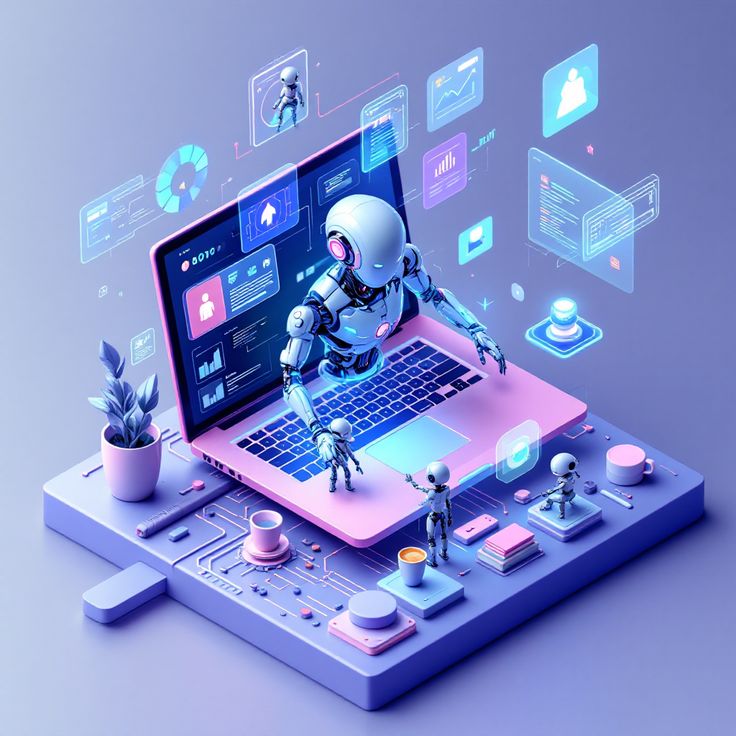
A digital portfolio is more than a gallery of work. It is a living résumé, personal brand, and storytelling tool combined.
As highlighted in Uni-B’s insight on why digital portfolios matter in 2025, the demand for online representation is only growing.
If you are planning to use a portfolio website maker, it is important to know what elements will make your site stand out.
As Uni-B’s guide on building winning portfolios suggests, the difference often lies in authenticity and clarity rather than complexity.
Using a portfolio website maker does not have to feel overwhelming. Here are practical steps to guide you.
Choose which work samples align with that audience.
Looking ahead, the evolution of portfolios is exciting. With AI tools, a portfolio website maker may soon create personalized layouts instantly. Virtual reality could make portfolios interactive, allowing visitors to “walk through” projects in 3D.
No matter the technology, the essence of portfolios will stay the same. They are about sharing your story, building trust, and opening doors to new opportunities.