

A personal portfolio site is more than just a collection of work, it is your professional identity brought to life online. Whether you are a designer, developer, writer, or entrepreneur, your portfolio site acts as a stage where you showcase your skills, achievements, and creativity. In an era where first impressions are often digital, having a strong online portfolio is no longer optional, it is essential.
So, how did the concept of personal portfolios evolve, and why is it so critical today? Let’s explore the history, relevance, and actionable strategies for building a personal portfolio site that sets you apart.
The idea of a portfolio dates back centuries. The word itself originates from the Italian words porta (to carry) and foglio (sheet of paper). Early artists and architects carried physical portfolios containing drawings, sketches, and project plans to present to patrons and potential employers.
By the Renaissance, portfolios had become common tools for showcasing talent and securing commissions. During the 20th century, creative professionals such as photographers, graphic designers, and architects relied on physical binders or books filled with samples of their work when applying for jobs.
With the rise of the internet in the late 1990s, the personal portfolio site became the modern version of this tradition. According to Britannica’s overview of the Internet, online communication and self-publishing transformed industries by giving individuals direct access to global audiences. What once required a physical book can now be shared instantly across continents with a single link.
In today’s digital-first world, your portfolio site is often the first place employers, clients, or collaborators will evaluate your work. Having one can be the difference between getting noticed and being overlooked.
Here’s why it matters more than ever:
As Uni-B explains in their guide on building a winning portfolio, your portfolio is not just about displaying work, it is about telling your story.
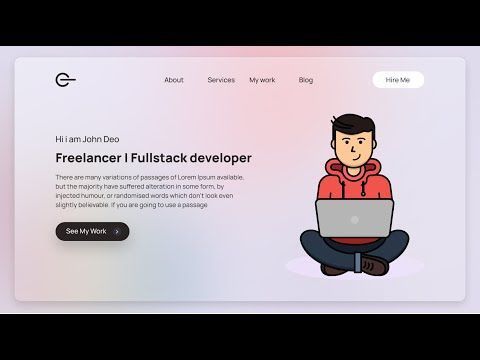
Not all portfolio sites are created equal. The most impactful ones share common elements that help tell your story and highlight your abilities.
Keep it simple and easy to navigate.
Use consistent colors, fonts, and branding.
Make it mobile-friendly, since most users browse on phones.
Use high-quality visuals for projects and photography.
Add interactive features sparingly to enhance not overwhelm the user experience.
For more inspiration, Uni-B offers resources on free portfolio websites and how to build yours, perfect for those just starting out.
Studying great portfolios is one of the best ways to inspire your own.
Creating a portfolio may feel overwhelming at first, but with the right approach, it becomes manageable.
The Future of Personal Portfolio Sites
Looking ahead, personal portfolios will continue to evolve. With AI-driven design, 3D visualizations, and interactive storytelling, the possibilities are endless. However, the essence will remain the same: a personal portfolio site is about connection. It is how you introduce yourself to the world, beyond resumes and LinkedIn profiles.
Those who invest in building and maintaining their personal portfolios today will be best positioned to seize tomorrow’s opportunities.