Think back to your own education. How often were your skills measured by a single, high-pressure test? Traditional exams only capture a snapshot of what you know at one moment, often missing the whole story of your learning journey. This is why the student portfolios examples we see today are transforming education.
A portfolio moves beyond a simple grade to offer a rich, narrative collection of your best work, growth, and deepest reflections. It is the proof of your capabilities, showing not just the destination, but the entire, sometimes messy, path of mastery. For any student or recent graduate, creating a standout digital portfolio is the single most effective way to secure a competitive edge in university applications or the job market.
The idea of gathering one’s best work is far from a modern concept. The origins of the portfolio can be traced back to the Renaissance period, a time of immense artistic and architectural innovation. The Italian word for the concept, portafoglio, literally means “to carry leaves or papers,” referring to a folder for holding loose documents.
Master artists and architects in Renaissance Italy, like Leonardo da Vinci, used collections of sketches and designs to showcase their talent to potential patrons. These were early, physical portfolios, essential tools for proving skill and winning commissions. This focus on verifiable output, rather than just reputation, established the core principle of the portfolio.
Over the centuries, the concept migrated into various professional fields, notably finance and eventually education. In the 1980s and 1990s, educators began to adopt portfolios as a form of "authentic assessment." This was a direct response to the limitations of standardized testing, offering a way to assess complex skills and learning that developed over time.
The biggest shift came with the rise of the internet. From the years 2000 to 2010, the portfolio evolved from a physical binder to an "ePortfolio," moving from local networks to the world wide web. This digital transformation was not just about making the collection electronic, but about integrating reflection and showcasing a broader range of media, such as videos, links, and presentations.
Today, the digital portfolio, whether you host it yourself or use a dedicated platform, has become a ubiquitous, vital tool. It helps students understand and articulate their own learning, a critical metacognitive skill.
In the 21st century, the importance of student portfolios examples extends far beyond the classroom. They have become a crucial component in three key areas of modern life: demonstrating growth, securing academic spots, and launching professional careers.
The Education Imperative: Showing the Full Picture
A high school transcript shows what grades you earned, but a portfolio shows how you earned them and what you learned in the process. This shift towards showing evidence of complex competencies, rather than just memorization, is central to modern pedagogy. According to the United Nations Educational, Scientific and Cultural Organization (UNESCO), fostering a capacity for reflection and self-assessment is key to developing lifelong learning skills, which is exactly what a portfolio encourages.
Portfolios reveal a student’s true intellectual trajectory:
The Professional Launchpad: Your First Resume
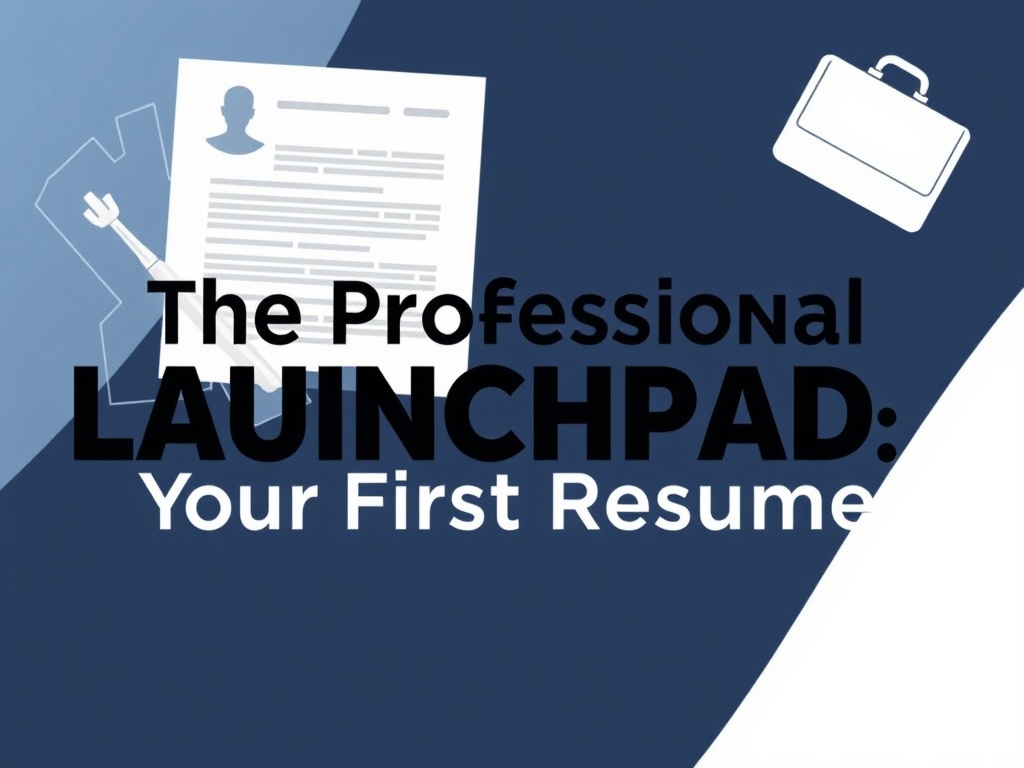
For university students and recent graduates, a portfolio is your ultimate professional calling card. It is often the first piece of evidence an employer or graduate admissions committee reviews.
A polished portfolio instantly sets you apart from candidates who rely only on static resumes. If you want to know more about making that crucial first impression, explore the benefits outlined in why every professional needs a digital portfolio in 2025.
Student portfolios examples for career advancement include:
It's about making your resume a starting point, not the entire story. By providing a direct link to your verifiable work, you dramatically increase your credibility.
Practical Guide: Building and Curating a Powerful Portfolio
Creating a high-impact portfolio requires thoughtful curation, not just collection. It is about presenting your best work in a clear, compelling narrative that aligns with your future goals.
How to Curate and Select Content
The most common mistake students make is including too much content. The key is quality over quantity, with reflection serving as the glue that holds it all together.
Essential Reflection Questions
Reflection is the mechanism through which you prove metacognition, the ability to "think about thinking." Use these questions to guide your writing for each project:
What was the original goal and prompt for this work?
Top Student Portfolios Examples to Include
Your portfolio should contain diverse evidence, especially if you are building an online portfolio website. This shows you can deliver value across multiple formats.
Written Work:
Digital and Multimedia:
Creative/Design:
Non-Academic Evidence:
A well-structured and clearly presented portfolio is a fundamental step in taking control of your professional identity. For a deeper dive into the technicalities of getting your platform up and running, you might find this free guide on online portfolio websites essential. Ultimately, the quality and selection of your student portfolios examples are what turn potential into undeniable proof.