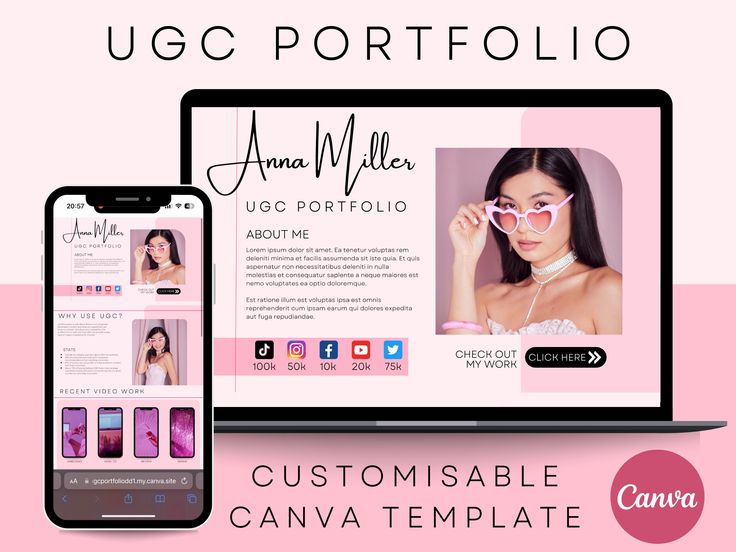
If you want to stand out in today’s competitive professional world, you need more than just a résumé. You need to create website for portfolio that highlights your skills, personality, and unique story. Whether you are a designer, developer, artist, or consultant, a portfolio website acts as your digital stage, making it easier for clients and employers to discover and trust your work.
Let’s explore the history of portfolios, why creating a website for your portfolio matters, and the practical steps you can take to build one that truly represents you.
The History of Portfolios
The idea of a portfolio is not new. Artists in the Renaissance carried collections of sketches to show potential patrons their capabilities. By the 19th and 20th centuries, portfolios evolved into leather cases filled with prints, drawings, or photography samples.
The digital age revolutionized this practice. With the rise of the internet in the 1990s, professionals shifted from physical binders to online platforms. As Britannica notes, the World Wide Web fundamentally changed how information was shared, giving creative professionals a chance to reach audiences across the globe.
Today, creating a portfolio website is no longer optional. It is a career necessity.
Why You Should Create Website for Portfolio Today
A portfolio website is more than a gallery of your work. It is a powerful tool for building credibility, growing your personal brand, and connecting with opportunities worldwide.
Key Benefits
- Control your narrative: Unlike social media, your website is 100% yours.
- Make a great first impression: Employers often check portfolios before CVs.
- Attract opportunities: Freelancers and entrepreneurs win clients with well-presented portfolios.
- Show your growth: Document your evolution as a professional.
- Expand your reach: Your work is visible 24/7, globally.
As highlighted in Uni-B’s guide to why digital portfolios matter in 2025, a portfolio website has become an essential career investment.
Features of a Great Portfolio Website
Not every portfolio is effective. To truly shine, you need to include the right features.
Must-Have Elements
- Homepage: A strong introduction with visuals and your personal tagline.
- About page: A short biography that explains who you are and why you do what you do.
- Portfolio section: Projects, case studies, or work samples with descriptions.
- Testimonials: Quotes from clients or colleagues.
- Contact page: Clear ways for visitors to reach you.
Optional Enhancements
- Blog or insights section to show thought leadership.
- Resume download option.
- Video introduction or animated showcase.
- Integration with social media or LinkedIn.
Uni-B emphasizes in its step-by-step guide to building portfolios that clarity and storytelling are just as important as design.
Practical Steps to Create Website for Portfolio
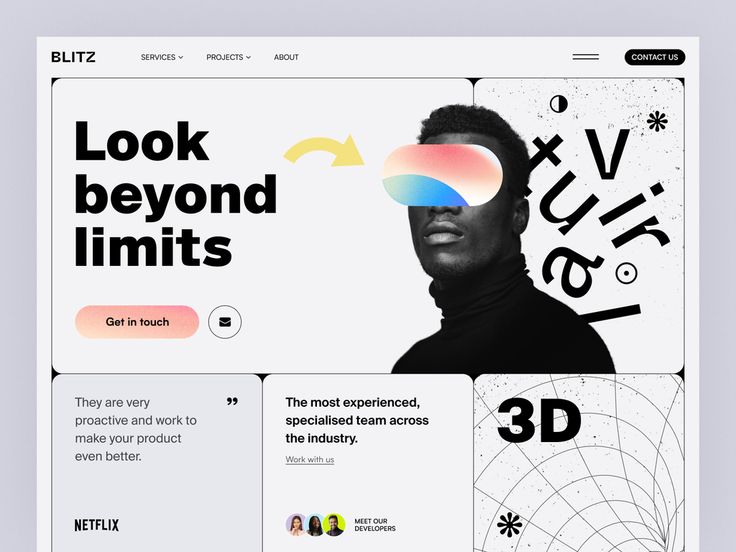
Building a portfolio site may feel overwhelming, but breaking it down makes it manageable.
Step 1: Define Your Goal
- Are you showcasing creative work, academic projects, or professional case studies?
- Do you want to attract employers, clients, or collaborators?
Step 2: Choose a Platform
- Opt for a customizable platform that allows control over branding.
- Ensure it is mobile-responsive and SEO-friendly.
Step 3: Select a Template or Design
- Pick a clean, modern layout that highlights your work.
- Avoid clutter, use white space, and choose readable fonts.
Step 4: Curate Your Best Work
- Quality beats quantity. Choose projects that represent your skills.
- Include short descriptions of the challenge, your role, and the outcome.
Step 5: Add Your Story
- Write an About section that feels personal.
- Share your journey, values, and vision.
Step 6: Optimize for Search
- Use keywords like “create website for portfolio” naturally.
- Add meta titles, descriptions, and image alt text.
Step 7: Launch and Promote
- Share your site on LinkedIn, Twitter, and professional forums.
- Ask for feedback and update regularly.
Why Portfolios Will Continue to Evolve
The definition of the “perfect portfolio” is constantly shifting. Future portfolios may feature:
- Interactive 3D environments for designers and architects.
- AI-driven personalization that tailors the portfolio for each visitor.
- Video-first storytelling replacing static case studies.
- Integration with global hiring platforms.
Still, the core idea remains timeless: a portfolio is your story told through your work. Creating one today is one of the smartest moves for career growth.