We’ve all been there: staring at a job description that asks for a resume and a portfolio. The resume is easy enough, a document of dates and titles. But the portfolio? That’s where the real challenge, and the real opportunity, lies. Building a strong professional portfolio is the single most effective way to transition from simply telling someone you have skills to actually showing them your mastery.
In today’s competitive landscape, your portfolio is not just an optional accessory; it is the core of your personal brand and a mandatory tool for career advancement. It acts as a dynamic, living narrative of your best work, achievements, and unique problem-solving capabilities. It gives context and color to the black and white facts of your CV.
The concept of a curated work collection to demonstrate ability is far from new. It’s an ancient practice that evolved from the halls of European guilds to the modern web server. Understanding this history highlights why the professional portfolio remains so vital today.
The term 'portfolio' has roots in the Italian portafoglio, literally meaning "carry leaf." In the 15th and 16th centuries, artists, architects, and artisans carried physical folios filled with sketches, blueprints, and commissioned pieces. This was their key to securing the next job.
More critically, becoming a master in a craft guild required the creation of a "masterpiece." This single, definitive work, often a sculpture or painting, was the ultimate professional portfolio piece. It wasn't about a lengthy document; it was about irrefutable evidence of supreme skill and technical excellence.
As industrialization and corporate structures took hold in the 20th century, the portfolio expanded beyond the creative arts. Architects, engineers, and educators began compiling comprehensive binders of evidence. These physical collections included everything from technical drawings and schematics to curriculum outlines and student evaluations.
By the mid-century, the professional portfolio became an essential tool in academia and for career development. It was used not just for getting a job, but for tenure reviews and performance evaluations, a tangible record of accomplishments over time. The emphasis was shifting from a single masterpiece to a body of work that demonstrated growth and diversity.
In 2025, your professional portfolio must be digital, public, and a true representation of your unique value. It serves multiple purposes that a static resume simply cannot achieve.
A resume is a claim; a portfolio is the proof. You can list "expert in data visualization" on your CV, but the portfolio lets you embed the actual, interactive dashboard you built that saved a company thousands.
This capability to show rather than tell is invaluable. It quickly establishes credibility and significantly shortens the hiring manager's evaluation time. The portfolio provides concrete evidence that transforms a candidate from a name on a page into a proven problem-solver.
Today’s career path is rarely a linear ladder climb. It’s often a "portfolio career," a collection of varied roles, projects, and income streams. For a freelancer, consultant, or career-switcher, a strong professional portfolio is non-negotiable.
It allows you to instantly pivot your personal narrative to match a new client or industry. By curating different projects, you can highlight the specific, transferable skills needed for any new opportunity. This is why a digital portfolio is so powerful, as detailed in our guide on how to build a winning online portfolio that gets you noticed (2025 Guide).

Your portfolio is the central hub of your personal brand. When a recruiter or client searches for you online, your portfolio should be the first, most polished result they see. It controls the narrative about who you are and what you do.
The ability to control your professional narrative online is crucial in the modern era, as confirmed by experts in career management. For instance, the US Bureau of Labor Statistics often emphasizes the growing need for soft skills and professional presentation, a core function of the portfolio. They note that the ability to articulate complex work is a key differentiator in a competitive market.
A great professional portfolio isn't created in a weekend. It's a continuous project that follows a few key principles.
Quality over quantity is the golden rule. No one wants to scroll through fifty average projects.
A beautiful image or finished product is only half the story. The case study is the part that proves you can think. Every major project needs a structured narrative.
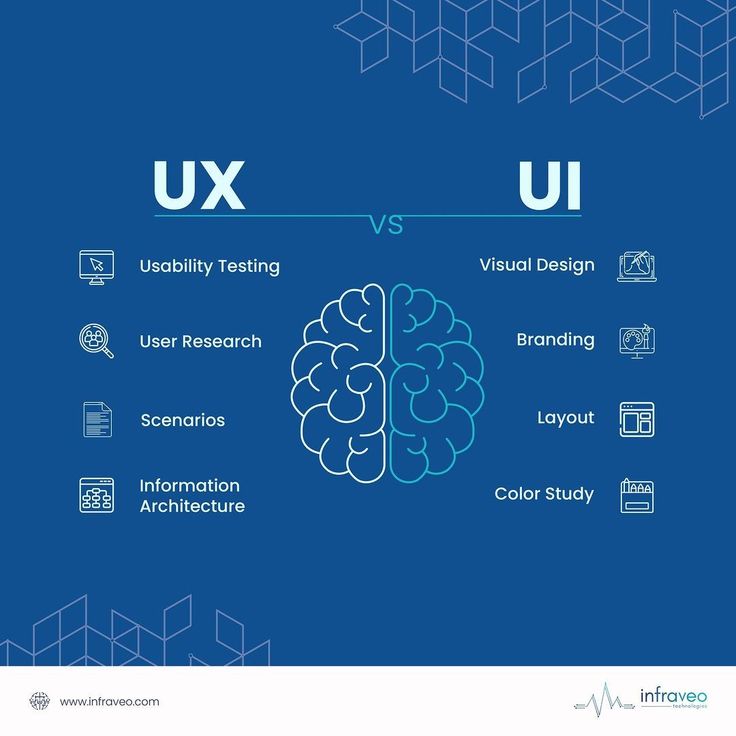
Because your portfolio is a professional document, it must be easy to navigate. Poor design and slow loading times will cause potential clients to click away instantly.
Building a powerful professional portfolio is an act of professional generosity. You are giving employers and clients exactly what they need: proof that you can deliver exceptional results. Invest the time now, and you will see the returns for years to come.
