

In the visual economy of the 21st century, if your work can’t be seen, it doesn’t exist. For the modern graphic designer, a stack of printed samples just won't cut it. Your crucial professional tool is a dedicated portfolio website for graphic designer. This is more than a digital gallery; it's a carefully curated professional tool that showcases your artistic vision, technical mastery, and strategic thought process. Think of it as your most important client project: the one that defines your brand and dictates your future opportunities.
The practice of artists and designers collecting and presenting their best work is an ancient one. Early creative professionals, like Renaissance architects or master painters, presented physical "pattern books" or albums to demonstrate their proficiency to powerful patrons. These were the original, analog portfolios.
As graphic design emerged as a distinct profession in the 20th century, especially with the rise of commercial advertising, the portfolio became standardized. Designers carried large, flat cases filled with printed advertisements, corporate identity manuals, and packaging mock-ups. The cost and time required to print and update these materials meant portfolios were often static and difficult to share widely.
The invention of the internet and high-resolution digital media completely transformed this ritual. In the 1990s, graphic designers were among the first professionals to recognize the power of the web. They transitioned from heavy, static folios to dynamic websites, gaining the ability to instantly update their work, present animated concepts, and share their creations globally. Today, the modern portfolio website for graphic designer is the seamless synthesis of artistic curation and technical delivery.
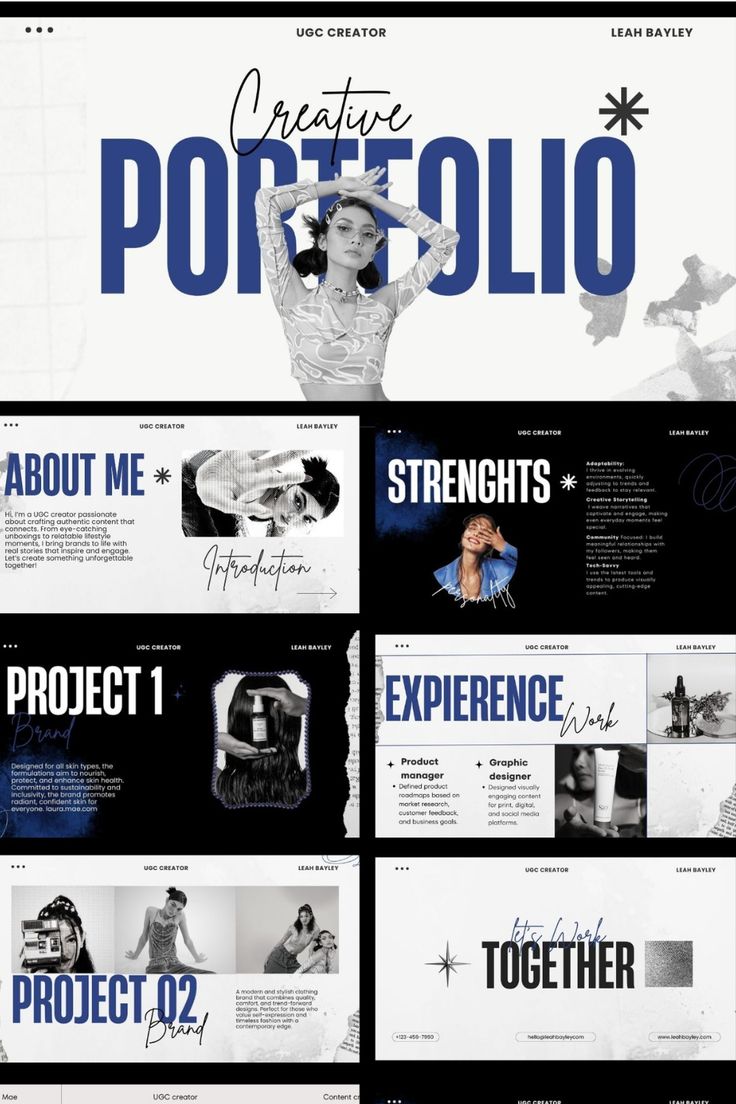
The digital job market is flooded with talent. Simply being good at design is no longer enough to secure premium roles or clients. Your portfolio website for graphic designer must function as a strategic sales tool.
Contextualizes Creativity: Design is about solving problems. A website allows you to embed your images within detailed case studies, explaining the original brief, the design challenges you faced, and your logical, creative solution. This shows you are a strategic thinker, not just a skilled technician.
To excel in the modern landscape, every creative needs to understand why every professional needs a digital portfolio in 2025. For graphic designers, this need is paramount.
Creating a successful portfolio website for graphic designer requires applying your very best design principles to your own brand.
Quality over Quantity: Focus on 3–5 exceptional projects. A reviewer should be blown away by a small set of immaculate work.
A designer's site must function flawlessly.
Don't let the work overshadow the person behind it.
For those needing a solid foundation without a large upfront investment, exploring resources on online portfolio websites free: how to build yours today is an excellent first step.
What truly separates a good portfolio website for graphic designer from a great one is the context it provides. Your ability to articulate your creative choices is often more valuable than the final image itself.
By integrating these elements, your portfolio site becomes a dynamic, authoritative tool that transforms creative interest into high-value opportunities.