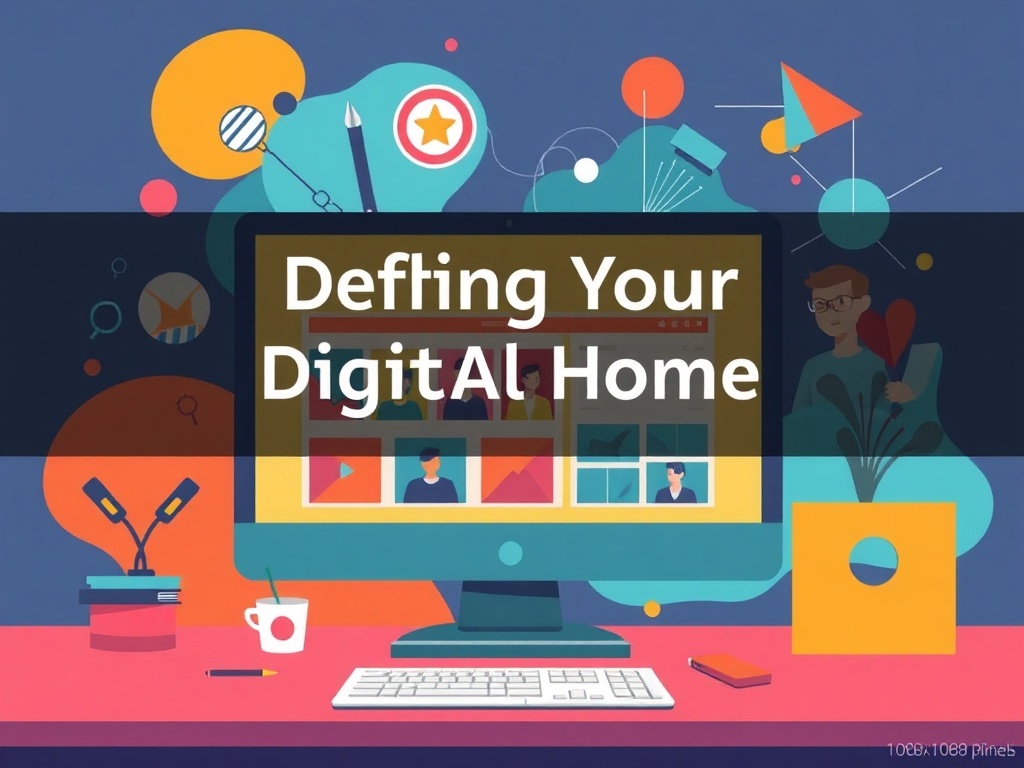
In the crowded digital landscape, a resume is just a piece of paper, and a social media profile is often too casual. If you want to be taken seriously, if you want your skills and achievements to speak for themselves, you need a dedicated online space. That’s where the power of a portfolio website comes in.
So, what is portfolio website exactly? It is your carefully curated, professional digital home. It's a strategic, standalone site designed to showcase your best work, highlight your unique skills, and narrate your professional journey, all under your complete control. It's the essential tool for turning potential interest into concrete opportunity.
A Journey Through Showcasing: The History of the Portfolio
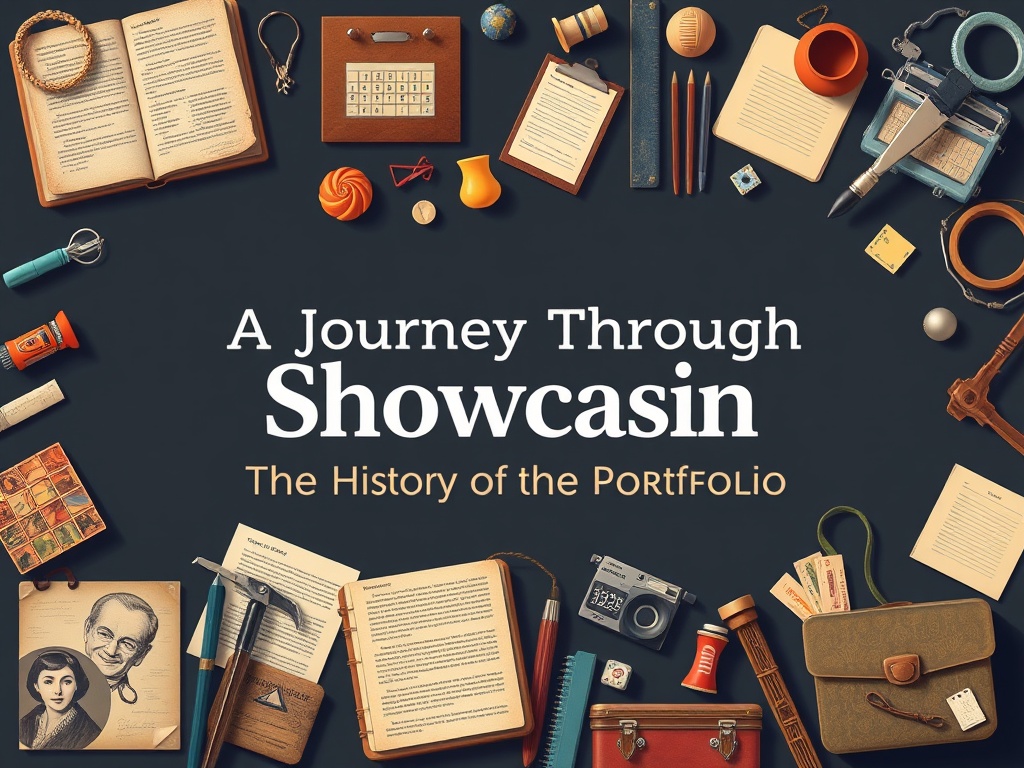
The concept of a professional portfolio predates the internet by centuries. While the digital format is new, the underlying need to prove competence through a collection of work is not.
- Artisan Guilds and Masterpieces: During the Middle Ages and Renaissance, joining a trade or craft guild required rigorous proof of skill. An apprentice often had to present a "masterpiece" and a selection of previous work to demonstrate their mastery of the craft, whether it was tailoring, painting, or carpentry. These physical collections were the earliest forms of the professional portfolio.
- The Creative Fields Take the Lead: For generations, architects, graphic designers, and photographers have carried physical, bound portfolios. These cases, filled with sketches, blueprints, and prints, were heavy, expensive to update, and limited by geography. Presenting one meant booking a meeting and traveling to a specific location.
- The Internet Revolution: The late 1990s marked the great shift. Early digital portfolios appeared on CD-ROMs, but the rise of accessible website platforms transformed everything. Suddenly, professionals could host their work online, accessible 24/7, globally, and easily updated. This marked the birth of the modern portfolio website, transitioning a rigid, localized tool into a dynamic, universal asset.
Why Your Portfolio Website Matters Today
In the contemporary professional world, understanding what is portfolio website and building one is no longer optional. It is a critical foundation for personal branding and career advancement across virtually every industry.
- The Power of Proof: A resume makes claims; a portfolio website offers visual and concrete proof. For a writer, it means linking to published articles, not just listing them. For a data scientist, it means featuring interactive data visualizations and explaining the methodology. This proof builds instant credibility with potential clients, employers, and collaborators.
- Control Your Narrative: Unlike LinkedIn or other social platforms, your website gives you total creative control. You choose the layout, the color scheme, the projects, and the narrative tone. This allows you to tailor your image precisely to the career path you want to pursue. For more guidance on achieving maximum impact, check out this guide on how to build a winning online portfolio that gets you noticed.
- The 24/7 Digital Interview: Your website works for you even when you're sleeping. It's available to potential employers in different time zones, serving as a constant, professional representative of your best work. According to this article, a digital portfolio is absolutely necessary in the modern professional landscape.
- Showcasing Growth and Process: The value of a portfolio isn't just in the finished product; it's in the process. You can use project descriptions to detail the challenges you overcame, the skills you deployed, and the lessons you learned. This demonstrates self-awareness and a crucial growth mindset that employers actively seek.
- SEO and Discoverability: A well-built website can be optimized for search engines. This means that when a recruiter searches for keywords related to your skills, your portfolio could appear, leading to inbound opportunities you might never have found otherwise.
Building Your Digital Masterpiece: Practical Steps
So, you are convinced of the value, but what is portfolio website strategy? Building a high-quality site involves more than just uploading a few pictures.
- Choose the Right Platform: Select a reliable platform that allows for a clean, professional look without requiring you to be a coding expert. There are many fantastic online portfolio websites available for free or at a low cost. Ease of use and mobile responsiveness are key factors to consider.
- Curate Ruthlessly: Avoid the urge to upload everything you’ve ever done. Select only your top 3 to 5 projects that are most relevant to your career goals. If you have too much, the most important pieces get lost.
- Structure and Navigation: A potential employer should find what they need in under a minute. Use clear, simple headings (e.g., "Work," "About," "Contact"). Ensure your site loads quickly and is easy to navigate on a phone, as a large portion of professional browsing happens on mobile devices.
- The Case Study Approach: Every project should be presented as a case study, not just a gallery image. Answer these questions in your project write-ups:
The Goal: What was the objective of the project?
Your Role: What exactly did you do? (Be specific: I wrote the copy, I managed the budget, I coded the API.)
The Result: What was the measurable outcome? (Did you boost sales? Did you improve efficiency? Did you win an award?)
Tools Used: List the software, languages, or specialized tools you used (e.g., Figma, Python, Adobe Illustrator).
- The Compelling "About" Page: Your "About" page is where you connect with the visitor on a human level. Share your professional story, your values, and what drives you. A professional headshot and a brief, engaging bio are essential.
- The Call to Action: Make sure visitors know what to do next. Do you want them to contact you for a project? Download your full resume? Connect on LinkedIn? Include clear, accessible contact information.
By applying these practical steps, your portfolio website becomes a professional sales tool, working diligently to showcase your unique capabilities and secure your next big opportunity. It’s the ultimate statement of your professional readiness.