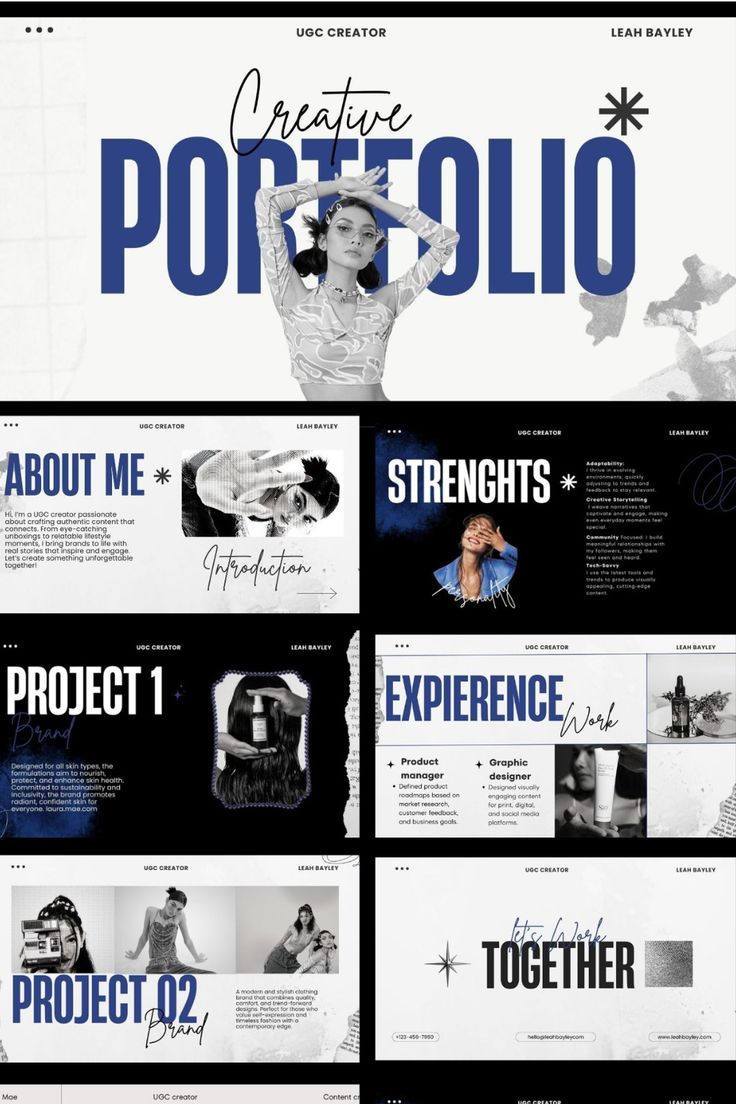
Are you a developer, programmer, or coder looking to land that dream job or next big freelance project? You know how to build complex systems and write elegant code, but how do you showcase that immense talent to the world? The answer lies in a powerful, well-structured portfolio website for developers. It's more than just an online resume; it's your personal digital showroom where potential employers or clients can directly experience your skills, coding style, and professional journey. If your code is art, your portfolio is the gallery.
A Look Back: The Evolution of the Developer Portfolio
The concept of a professional portfolio isn't new; architects, artists, and designers have relied on them for centuries. However, the developer's portfolio is a relatively modern invention, closely tied to the rise of the digital age and the open-source movement.
In the early days of programming, around the 1980s and 1990s, a developer's reputation was built primarily on word-of-mouth, academic papers, or contributions to mailing lists and newsgroups. Physical resumes and long technical interviews were the main hiring tools. Code samples, if shared at all, were usually printed out or saved on floppy disks.
The turn of the millennium and the explosion of the internet changed everything. Platforms like SourceForge and eventually GitHub emerged, creating spaces where developers could publicly share their projects. This shift created the precursor to the modern portfolio website for developers. Instead of just listing skills, developers could now link directly to working code, showing real, verifiable evidence of their abilities. Today, a dedicated portfolio site integrates both the public code (via links to GitHub) and the polished presentation, making it the central hub of a developer's professional identity.
Why Your Portfolio Website for Developers is Your Best Asset Today
In 2024, the tech industry is incredibly competitive. Simply having a degree or listing technologies on LinkedIn isn't enough to stand out. Recruiters and hiring managers spend seconds scanning initial applications. Your portfolio website for developers serves several critical functions that traditional tools cannot:
- Proof, Not Promise: A resume tells a potential employer you know React; a portfolio shows them with a live, responsive application you built using React. This tangible proof of work eliminates doubt and builds immediate credibility.
- Demonstrates Soft Skills: Your portfolio is an opportunity to showcase soft skills often overlooked in coding interviews. A well-organized, visually appealing, and thoughtfully written portfolio demonstrates attention to detail, communication skills, and an understanding of user experience.
- Controls the Narrative: Unlike generic platforms or third-party profiles, your dedicated website gives you complete control over your personal brand. You decide which projects to highlight, how to explain your process, and the professional tone you want to project.
- Acts as a Central Hub: It's the one place where you can link your GitHub, LinkedIn, technical blog posts, and even your resume. This simplifies the hiring process for the recruiter, who can find everything they need in one place.
- Shows Initiative: Building and maintaining your own site, even if it's a simple one-pager, demonstrates a proactive attitude and a willingness to use your skills for personal branding, which is a major plus for hiring teams.
If you are wondering why every professional needs a digital portfolio in 2025, the developer community is a perfect example of this necessity.
Essential Elements: Your Practical Guide to a Winning Portfolio
Building a high-impact portfolio website for developers requires careful planning and execution. It’s about quality over quantity. Here are the core components you must include:
The Core Structure and Design
- Clean and Professional Layout: Keep the design minimal, functional, and fast. Avoid unnecessary animations that slow load times. Focus on readability.
- Clear Navigation: A simple navigation bar (Home, Projects, About, Contact) is all you need. Visitors should find what they are looking for in seconds.
- Mobile Responsiveness: Ensure your site looks flawless on all screen sizes. This is non-negotiable for a professional developer.
The "About Me" Section
This section should humanize your work.
- The Elevator Pitch: A concise headline that defines you (e.g., "Full Stack Developer specializing in scalable MERN applications").
- Personal Story: A brief paragraph about your journey, what you enjoy coding, and your professional goals.
- Headshot: A professional, friendly photo builds trust and makes you memorable.
The Projects Showcase (The Most Important Part)
This is where you prove your mettle.
- Curate Your Best Work: Select 3-5 of your strongest, most relevant projects. A single, well-documented project is better than ten half-finished ones.
- Detailed Project Description: For each project, include:
- The problem the project solves.
- Your specific role and contribution.
- The technologies used (list the stack clearly).
- A link to the live demo (if applicable).
- A link to the clean, well-commented code repository (GitHub/GitLab).
- Process, Not Just Product: Explain your technical decisions and the challenges you overcame. Showing your thought process is what truly differentiates you.
Skills and Technologies
- Categorize Skills: Group your skills logically (e.g., Languages, Frameworks, Databases, Tools).
- Focus on Proficiency: Consider rating your comfort level (e.g., Proficient, Intermediate, Familiar) rather than simply listing everything you've touched.
The Call to Action
Make it easy for people to hire you or reach out.
- Clear Contact Form: Include a simple, functional contact form or provide a direct, professional email address.
- Social Links: Link to your professional profiles (LinkedIn, GitHub, etc.) prominently in the footer or contact page.
For inspiration and practical templates, you can explore the Uni-B homepage for examples of effective professional presentation.
The Power of Documentation and Storytelling
In the world of development, writing is often just as important as coding. Your portfolio is the space to master the art of technical storytelling.
- README Files Matter: The README file in your linked GitHub repository should be a masterclass in clarity. It’s the first piece of documentation a recruiter will read.
- Use Visuals: Include screenshots, GIFs, or short demo videos of your application in action. This instantly captures attention and explains functionality better than blocks of text.
- Blog Section Advantage: Consider adding a blog where you write about complex topics or tutorials. Writing about a tricky algorithm or a performance optimization issue shows verifiable expertise and demonstrates continuous learning, which is highly valued by technical teams.
Your developer portfolio is not a static document; it’s a living, breathing testament to your career. Keep it updated, review it regularly, and let it tell the unique story of your skills and passion.