You’re a web developer, a builder of the modern world. You have the skills, you’ve completed the bootcamps, and you know your React from your Ruby on Rails. But when it comes to getting that dream job or landing a high-paying client, your resume is just a piece of paper.
What truly speaks volumes is a portfolio that demonstrates your talent. This is where the right portfolio website templates for web developer professionals come into play. It is not about if you should have one, but how to create one that is a flawless example of the quality you deliver. Your portfolio should be a showcase of your technical mastery, not a messy side project.

The concept of a professional showcase has changed dramatically, evolving alongside the internet itself. Looking back shows us just how vital a streamlined template has become.
In the 1980s and early 1990s, the "portfolio" for early programmers was a physical binder containing printouts of code and perhaps a few screenshots of text-based interfaces. As the internet emerged, the first developer showcases were simply static HTML pages manually uploaded via File Transfer Protocol (FTP). These sites were clunky, often non-responsive, and required the developer to be a designer, content strategist, and programmer all at once.
The late 1990s and early 2000s saw the rise of personal websites. Developers started using basic frameworks to add visual appeal. Sites often featured excessive animations, Flash elements, and bright, inconsistent color schemes, reflecting the nascent stage of web design standards. The priority was simply showing a functional website, regardless of its elegance.
Today, the modern portfolio website templates for web developer reflects a maturity in the industry. It's built on a foundation of clean code, lightning-fast load times, and perfect mobile responsiveness. It is a powerful, professional tool that separates hobbyists from serious contenders, proving you can execute a design flawlessly.
A developer’s portfolio is unique because it must be the best example of their work. It’s the one place where you get to be both the client and the developer, showcasing a project that has a budget of infinity and a deadline of yesterday.
When a hiring manager or client visits your portfolio, they aren't just reading your biography; they are assessing your actual skill set. The site's speed, the cleanness of its design, and its intuitive navigation are all live demonstrations of your ability to build a high-quality user experience (UX).
The mere act of using a refined template and customizing it well shows you understand structure, design principles, and accessibility. You are demonstrating, not just claiming, that you grasp these crucial concepts. Our comprehensive guide on how to build a winning online portfolio that gets you noticed delves into this principle of showing, not just telling.
In a world saturated with developer resumes, standing out is the ultimate challenge. Your portfolio is your brand’s headquarters. A great template gives you a premium starting point for customizing your typography, color palette, and visual language.
You can leverage this space to inject your personality through your choice of case studies, the tone of your "About Me" page, and even subtle, thoughtful micro-interactions. A well-designed portfolio ensures that when a recruiter thinks of "Front-End Developer," they think of you.
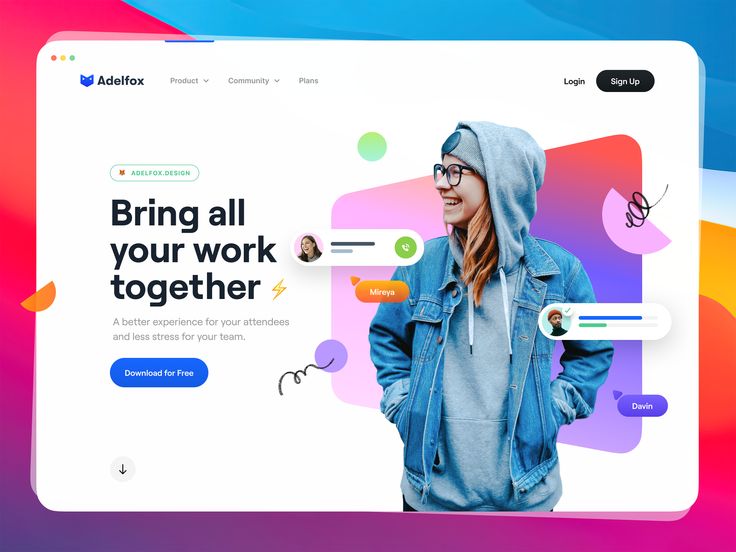
For a web developer, simply linking to a live site is not enough. Recruiters and potential clients want to see your process. Your template needs to accommodate detailed project case studies that include:
A well-structured portfolio website templates for web developer professionals will have a clear, easy-to-read layout for these in-depth project write-ups.
Choosing the right foundation is the most critical step. Since your portfolio is your chance to shine, you need a template that is as technically sound as it is visually appealing.
1. Technical Soundness and Performance
As a developer, you cannot afford a slow portfolio. You should treat the template’s underlying code with the same scrutiny you would apply to a professional project.
2. Design that Complements, Not Overwhelms
You are selling your code, not a graphic design subscription. The best developer portfolios are clean, minimalist, and focused on readability.
3. Essential Template Features for Developers
The top portfolio website templates for web developer roles will include specific components that are often missing from general creative portfolios.
Using a premium, structurally sound template frees you from the mundane design work and lets you focus on what truly matters: showcasing your brilliant code and sophisticated project work. It’s the essential final step in taking your coding career to the next level. To see how others are doing it, check out our guide on online portfolio websites free: how to build yours today.
