Stop thinking of your career as a two-dimensional stack of papers. In today’s market, your professional identity is a living, breathing entity, constantly evolving and demanding attention. The old resume just can’t keep up.
The central piece of this modern professional identity is a portfolio website online. It’s not just an asset, it’s a non-negotiable requirement. Your online portfolio gives depth and context to your skills, showcasing the results of your work, not just the job titles. It transforms you from a list of bullet points into a vibrant, credible professional.
The desire to curate and present one’s best work is far from new. The portfolio website online is simply the latest chapter in a long history of professional self-showcase.
Before the internet, the word "portfolio" literally referred to a portable case for holding loose papers, primarily used by artists, architects, and designers. In the Renaissance, masters like Leonardo da Vinci used detailed sketches, drawings, and finished commissions to secure patronage. These physical collections demonstrated technical skill, breadth of work, and professional capability.
As documented by Britannica, self-portraiture and portraiture gained prominence in art history as a way for artists to assert their status and skill publicly. Albrecht Dürer, a pioneer in self-portraiture, used his own image to convey an aristocratic ideal. This act of presenting a curated, powerful public image is the direct ancestor of today's digital portfolio.
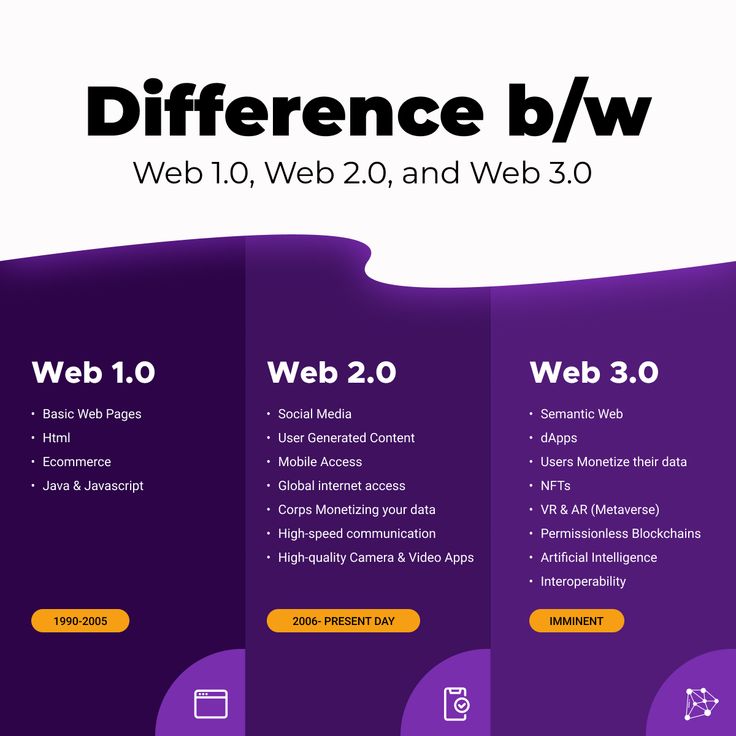
The early internet provided the first opportunity to digitize this self-showcase, but it was clunky. In the 1990s, personal websites were built using static HTML. They were technical hurdles, not creative outlets. Sharing work meant linking to images or documents on a university server.
The true breakthrough came with the rise of Web 2.0 around the early 2000s. With the advent of platforms that allowed users to easily create and share content, the portfolio went from static documents to dynamic, interactive experiences. Social media platforms, though primarily social, demonstrated the power of a digital personal brand, forcing professionals to recognize that their online identity was their public image.
Today’s dedicated platforms, like Uni-B, refine this concept. They offer the ease of content creation from the Web 2.0 era with the professional focus and visual quality of a Renaissance master’s collection.
In a job market that is increasingly remote and automated, a digital portfolio is more than a convenience. It is the core of your professional credibility and marketability.
A resume merely states what you did. A compelling portfolio website online shows how you did it, and what the impact was. It offers a deep dive into your methodology.
Your online presence is fragmented across platforms: LinkedIn for networking, GitHub for code, Instagram for creative posts. Your portfolio is the central hub that anchors all of these channels.
Every link in your email signature, every social media profile, and every job application should point back to this single, professional source of truth. As we discussed in our guide, "Why Every Professional Needs a Digital Portfolio in 2025," centralizing your identity is crucial for consistency. It ensures that when a recruiter or client searches for you, they find the narrative you want them to see, not a random, outdated profile.
The modern career knows no borders. Whether you are seeking a client across the country or a remote job on another continent, your portfolio website online is your 24/7 global ambassador.
It is accessible instantly to anyone, anywhere, eliminating the delays and logistical hurdles of physical documents. This instantaneous accessibility is critical for seizing fleeting opportunities. Furthermore, the credibility of a strong digital identity can reduce the risk of fraud or misrepresentation in hiring, a growing concern in the digital age.
Building an effective online portfolio is a disciplined exercise in curation and presentation. Follow these tips to ensure your site delivers maximum impact.
The goal is quality over quantity. Resist the urge to include every project you’ve ever completed.
Remember that your portfolio is being read by busy professionals, likely on their phones. Design must prioritize speed and clarity.
A static portfolio feels like a historical archive. A dynamic one shows ongoing engagement with your field.
A powerful portfolio website online is the single most valuable tool in your professional toolkit. It is the modern manifestation of the artist's canvas and the architect's sketchbook, demanding a disciplined approach to achieve its full potential.
