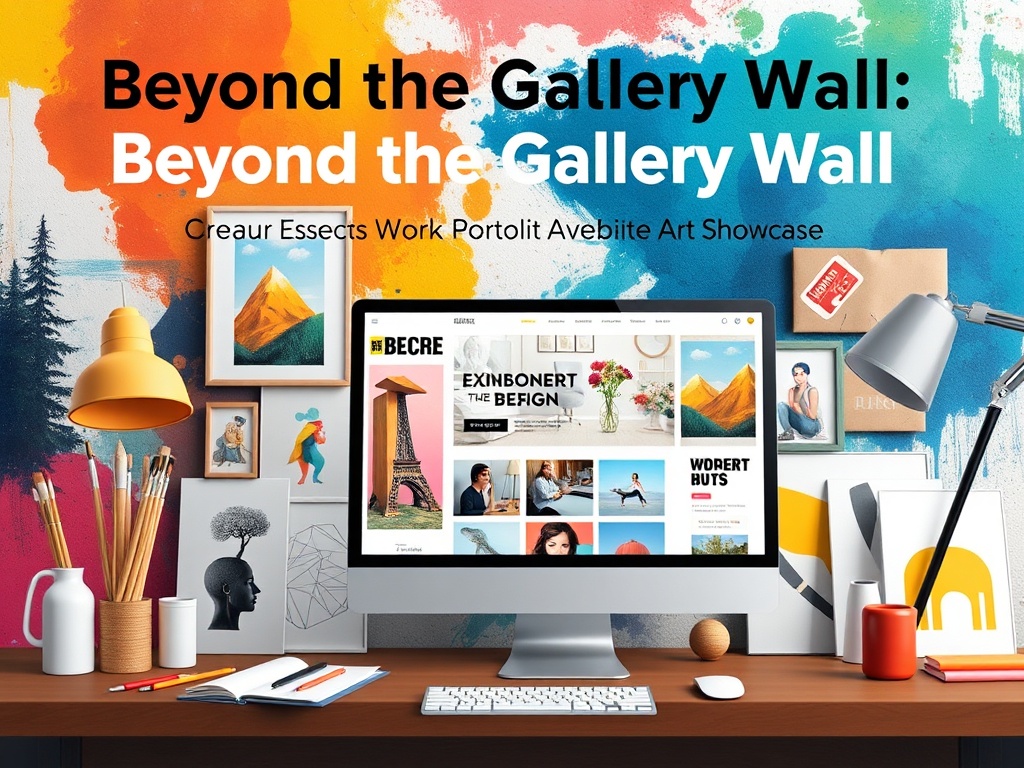
As an artist, your creativity is boundless. You pour hours of passion, skill, and vision into every painting, sculpture, or digital illustration you create. But how do you bridge the gap between your studio and the global art market? The answer lies in a meticulously crafted portfolio website art showcase. This isn't just an image dump; it's your professional gallery, your biography, and your storefront, all rolled into one beautiful, accessible platform. It is the single most important tool for ensuring your work is seen, appreciated, and acquired.
A Journey Through Time: The Evolution of the Artist's Portfolio
The tradition of artists collecting and presenting their best work to patrons, teachers, or potential buyers is centuries old. In the Renaissance era, an artist's reputation rested on their bottega (workshop) and the quality of their commissions. To attract new work, an artist might present a few finished pieces or detailed drawings from a personal album to showcase their skill in anatomy, perspective, or technique.
Through the 18th and 19th centuries, the physical portfolio became a formalized tool, often a leather-bound folder protecting drawings, prints, and early photographic reproductions. This folio was a heavy, delicate, and geographically limited presentation format.
The digital revolution of the late 20th century transformed this. The internet provided the first truly global stage. Artists moved from mailing slides or CDs to sharing work via early websites and eventually high-resolution online galleries. The modern portfolio website art platform builds upon this history, allowing artists to present not just the final image, but also the process, the materials, and the story behind the creation, all while reaching an audience of millions.
Why Your Portfolio Website Art is Your Most Valuable Medium Today
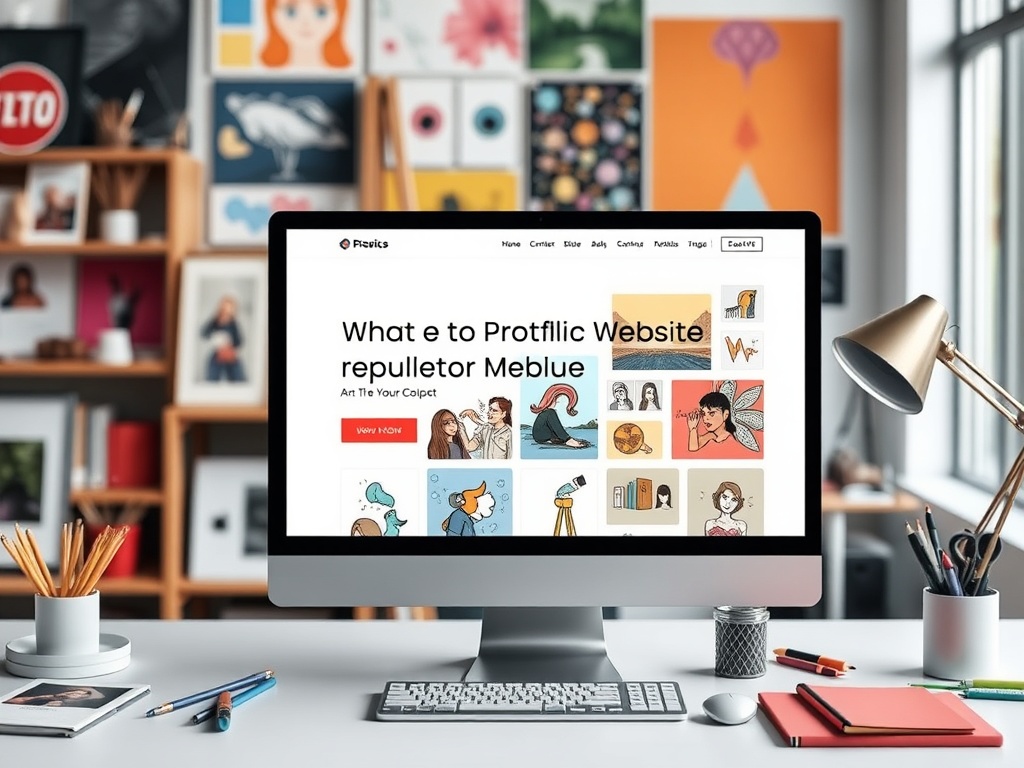
The contemporary art world, from local galleries to international collectors, operates largely online. Your portfolio website art is absolutely vital for several reasons:
- Global Accessibility: Your website eliminates geographical barriers. A collector in Tokyo can discover your work from your studio in Berlin without a plane ticket, vastly expanding your potential market.
- Controlled Narrative: Unlike social media or generic art hosting sites, your own website gives you full control. You dictate the quality, the layout, the context, and the pricing, ensuring your brand and artistic integrity are maintained.
- Demonstrates Professionalism: A dedicated, custom domain and a well-organized site signal that you treat your art as a serious profession. This builds immediate trust with gallerists, curators, and high-value buyers.
- Provides Critical Context: Art needs explanation. Your site allows you to include artist statements, detailed materials lists, scale references, and narratives about your inspiration and technique. This context deepens appreciation and justifies higher prices.
- Direct Sales Channel: Your portfolio website can easily be integrated with e-commerce functionality, turning it into a direct sales platform. You can offer originals, prints, and commissions without reliance on third-party galleries.
The importance of a digital showcase for all professions is clear, and artists are no exception. Understanding why every professional needs a digital portfolio in 2025 is the first step to securing your place in the market.
The Artist’s Digital Studio: Practical Tips for a Powerful Site
Building an effective portfolio website art collection is a creative project in itself. The design of the site should complement, not distract from, the artwork.
Curating and Documenting Your Art
- Choose Your Best Work: Select 10–20 pieces that truly represent your current skill level and direction. Group them logically (e.g., by medium, series, or date).
- High-Quality Photography: Professional photography of your artwork is non-negotiable. Poor lighting, shadows, or crooked shots are immediate deal-breakers for serious buyers.
- Provide Detailed Information: Every piece of art needs accompanying data, including:
Title and Year Created.
- Medium (e.g., Oil on Canvas, Digital Painting, Bronze Sculpture).
- Dimensions (in inches/cm).
- Status (e.g., Available, Sold, N.F.S.).
- Price (if selling directly).
Site Design and User Experience
- Minimalist Design: Use clean layouts, ample white space, and neutral backgrounds to ensure the focus is entirely on the color and form of your artwork.
- Fast Loading Images: Optimize your images for the web to ensure quick load times. Artists often struggle with this, but a slow site frustrates visitors and looks unprofessional.
- Clear Navigation: Make it easy for visitors to jump between your "Portfolio," "About the Artist," and "Contact/Shop" pages.
The Personal and Professional Touch
- Artist Statement: Include a concise, compelling statement that explains your artistic vision, influences, and thematic explorations. This adds intellectual depth to your work.
- Biography/CV: Provide a professional CV listing exhibitions, commissions, residencies, and relevant education. This validates your professional standing.
- Pricing and Sales Policy: If you sell work, be transparent. Clearly outline your process for commissions, shipping, and returns.
If you are looking for cost-effective ways to start building your online presence, resources are available detailing online portfolio websites free: how to build yours today.
Beyond the Canvas: The Business of Art
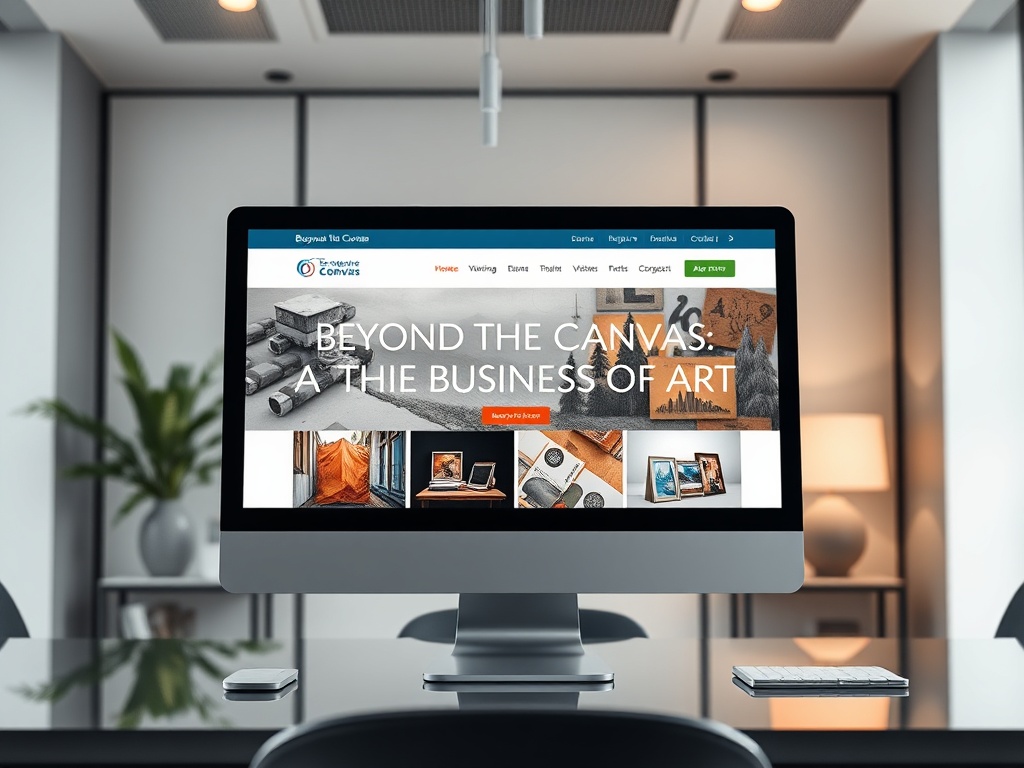
A professional portfolio website art showcase must function as a business tool. This means integrating features that aid in client communication and credibility.
- Client Testimonials and Press: Feature any media mentions, positive reviews, or critical feedback from recognized sources. Social proof is powerful in the art world.
- Process Documentation: Consider a separate "Studio" or "Process" page where you share videos of your workflow, materials, and preliminary sketches. This creates intimacy and value. According to UNESCO, the preservation and documentation of cultural and artistic heritage is crucial for public engagement and education.
- Email List Integration: Collect email addresses from interested visitors. An email list is the best way to announce new work, upcoming shows, or studio sales directly to your most loyal followers.
Your portfolio site is the contemporary canvas for your career. By investing time in its thoughtful design and execution, you are ensuring your art has the professional platform it deserves to thrive in the digital age.