

The freelance world is no longer about simple transaction. It is about building a personal brand, establishing authority, and proving your value before you even speak to a client. In this hyper-competitive landscape, your resume is nearly obsolete. Your social media feed is too messy. What truly separates the successful contract professional from the hobbyist is a bespoke, powerful freelancer website portfolio.
This dedicated digital space is more than a gallery of past work. It is a client acquisition machine, a 24/7 business development tool, and the only platform you truly own on the internet. If you are serious about moving from chasing low-paying gigs to commanding premium rates, mastering your online showcase is the first step.
The idea of a "portfolio" is ancient, originating from the Latin portare (to carry) and folium (sheet of paper). For centuries, a portfolio was a physical briefcase or binder used by artists, architects, and models to physically carry and present their best work to potential patrons or employers. This tradition of physical presentation remained the standard for professionals well into the late 20th century.
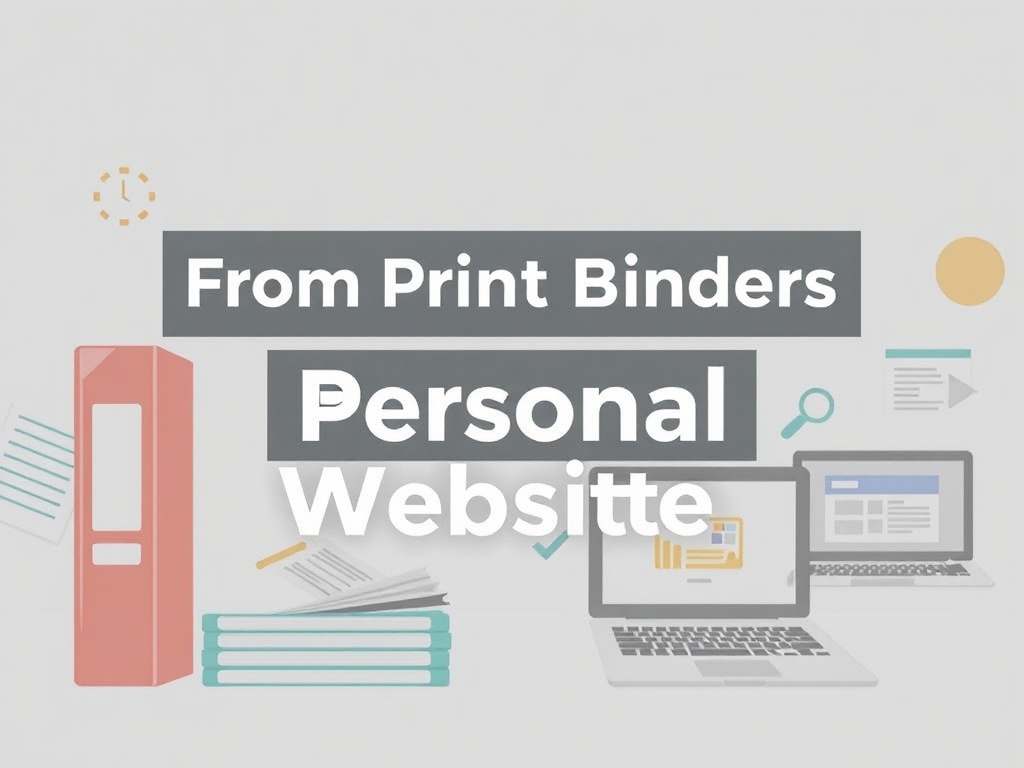
The first major shift occurred with desktop publishing and early digital media. Designers started carrying floppy disks or CDs containing digital files, but the presentation remained cumbersome. The true revolution happened with the mainstream adoption of the World Wide Web in the 1990s. This innovation laid the groundwork for the modern freelancer website portfolio.
In those early days, having a personal web presence was novel. It was often the domain of academics, programmers, and hobbyists. Websites were static, text-heavy, and built using basic HTML. However, they carried the radical promise of global, immediate access to information and personal expression. This era marked the birth of the personal web page, the direct ancestor of today's professional showcase.
Platforms like Geocities and Angelfire emerged in the mid-1990s, offering free web space for anyone to create a digital "home." These early sites, often called "home pages," were a mixed bag of personal interests, animated GIFs, and early attempts at online resumes. They were a crucial first step in demonstrating one's skills and interests to a broad audience. According to this summary of the personal web page, these sites were initially used as important resources for navigating a young web, built by individuals who wanted to share data or ideas.
As technology advanced, so did the potential of these pages. Creatives, particularly those in graphic design and web development, recognized that their personal website could not just list their skills, but actually demonstrate them through the site's own design and functionality. The freelancer website portfolio became the ultimate meta-project: the final product proved the quality of the service being sold.
In 2025, relying solely on centralized social media platforms to host your work is a liability. Your entire professional presence is subject to an algorithm change, a platform shutdown, or a shift in policy. A custom, owned portfolio protects your brand and gives you complete control over the narrative.
A professional website instantly elevates your status from a generic freelancer to a specialized business owner. It is the core of your personal brand. When a potential client sees a sleek, custom domain showcasing high-quality case studies, they perceive you as established, reliable, and premium.
This level of professional polish communicates expertise and allows you to bypass the race-to-the-bottom pricing often found on general marketplace platforms.
The biggest advantage of a dedicated freelancer website portfolio is its ability to attract clients actively searching for your skills. This is the power of Search Engine Optimization, or SEO. While social media delivers short bursts of visibility, a well-optimized website provides sustainable, high-quality, inbound leads.
For freelancers looking to build a sustainable, scalable business, this form of passive lead generation is invaluable. To learn more about how to set up your online presence, you can explore the resources on the Uni-B Portfolio Building website.
Building a high-converting portfolio is a strategic exercise. It requires intentional choices about content, presentation, and user experience. It's not about making a pretty website; it's about building a highly effective sales tool.
The most common mistake freelancers make is listing a dozen links to finished projects without context. Clients are not just buying a product; they are buying a solution to a problem.
Your portfolio’s design is a reflection of your professional capabilities. It must be impeccable, fast, and easy to use.
If you are just starting out and need to test different layouts, remember that there are many great online portfolio websites free to use for building your initial MVP (Minimum Viable Product). Getting the portfolio online is far more important than perfecting the design indefinitely.
To ensure your portfolio is found by search engines, you need to think like a client, not just a creative.
In essence, a strong freelancer website portfolio is the fusion of art and commerce. It is the place where your creative skill meets your business acumen, ensuring you spend less time searching for work and more time doing the work you love.